Maya Calder
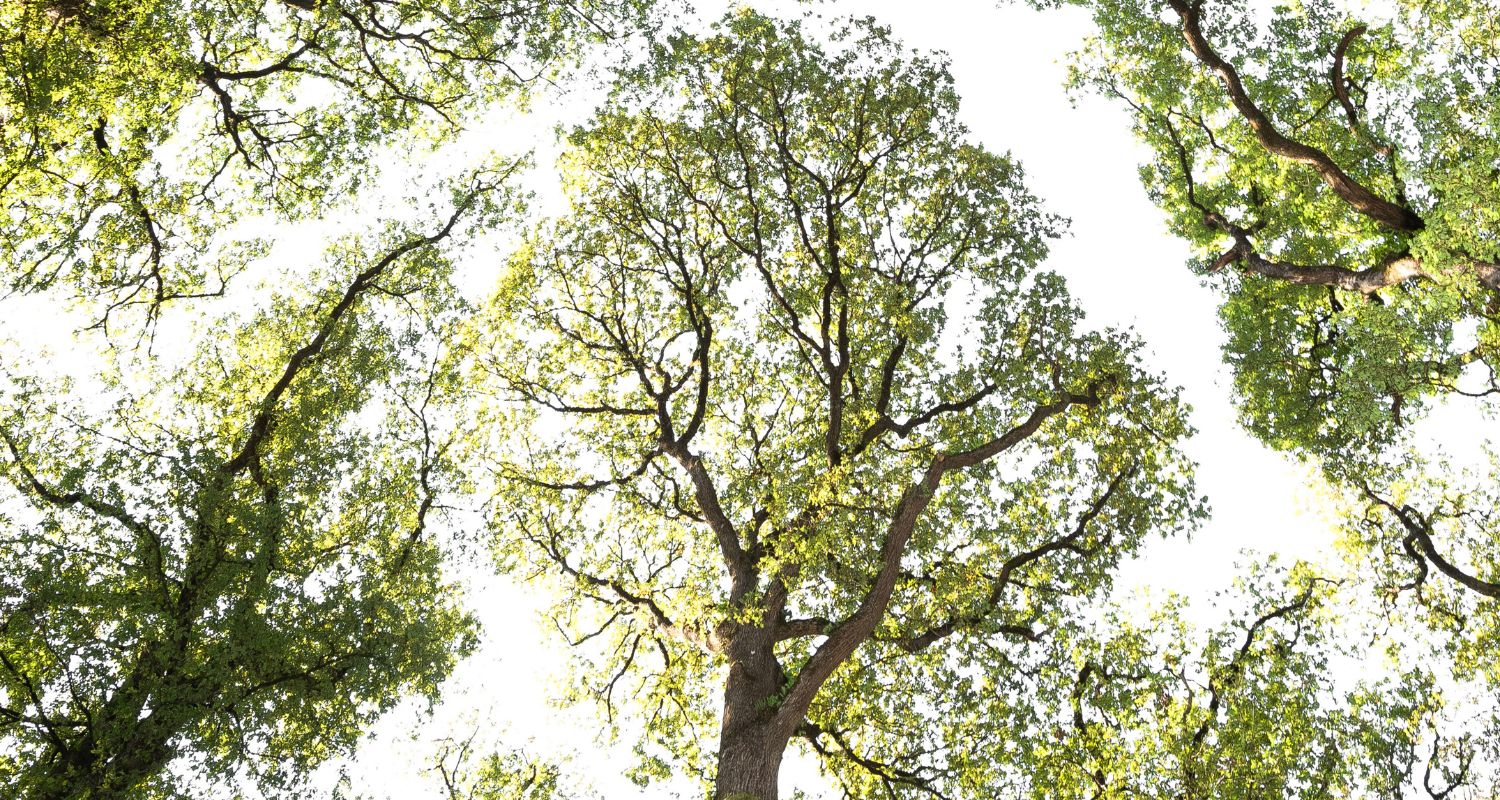
Carbon Credits Don't Expire. They Get Retired
A carbon credit doesn't expire like a coupon, it gets 'retired' once and only once. Here's how retirement actually works, and the separate durability question it doesn't answer.
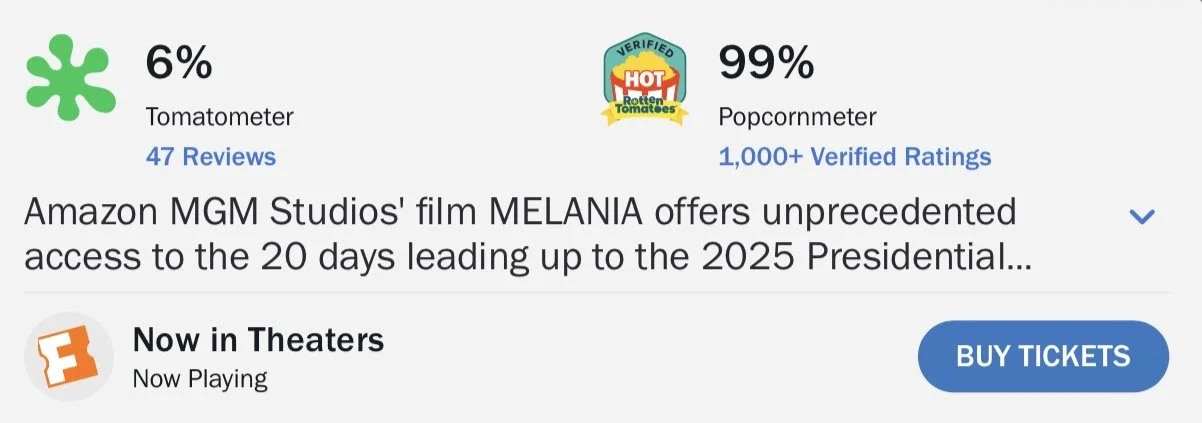
Why Rotten Tomatoes Scores Split Critics From Audiences
The Tomatometer counts positive reviews, not review quality. The audience score averages self-selected fans. When 'Melania' hit a 92-point gap in 2026, both mechanisms were on full display.

How the New York Times Bestseller List Actually Works
A dagger next to a book's name on the New York Times bestseller list means something specific. Here's what actually decides which books make the cut, and why some vanish just as fast.

Why Thunder Sometimes Cracks and Sometimes Rumbles
The same lightning bolt can sound like a gunshot or a drumroll depending on how far away it struck. Here's the physics behind both.

Why Only 10% of Movie Remakes Beat the Original
Rotten Tomatoes crunched the numbers on 400-plus remakes and reboots, and the verdict is almost uniform: the original usually wins.

Deckle Edges, Explained: The 'Defect' Publishers Fake on Purpose
The feathered edges on some book pages look like a defect. They're a callback to hand papermaking that collectors have paid extra for since the 1600s.
Tariff vs. Price Floor: What Trump's New Solar Rule Does
The White House set a 15% tariff on polysilicon and, separately, a hard minimum price. The two tools do very different jobs, and the gap between them explains why solar makers are watching closely.
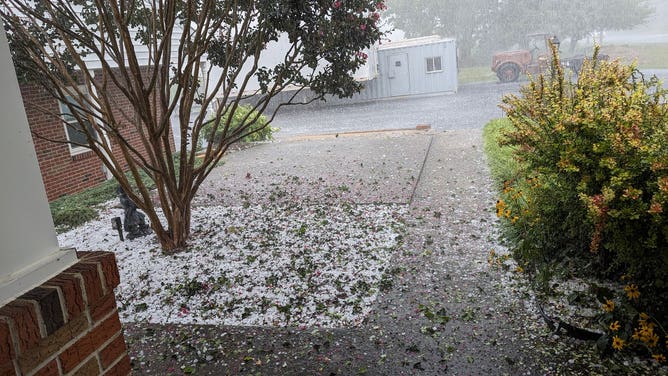
Graupel vs. Hail: The Difference Is in How Cold It Got
It looks like hail and sounds like hail — but squeeze it, and graupel crumbles like styrofoam because it forms almost the opposite way.

Why Hotel Key Cards Stop Working, and It's Rarely Your Phone
Blame usually lands on a phone in your pocket, but most hotel key card failures trace back to expiration timers, encoding mistakes and aging locks.

Why Your Windshield Frosts Over When It's Above Freezing
Frost can form on a windshield when the forecast still reads in the upper 30s. The gap comes down to where, and how, temperature is actually measured.

Why Museums Still Ban Your Camera Flash, Even Though It's Harmless
The evidence says a camera flash barely dents what museum lighting already does to pigment each year. The real reasons galleries still ban it are older than digital cameras.

Why Hotels Use All-White Towels and Sheets
White sheets and towels look like a design choice. They're actually a decades-old laundry and branding decision the rest of the hotel industry copied because it worked.
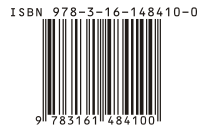
Why Some Books Have Two Different ISBN Numbers
A book carrying two ISBNs usually isn't a printing error. It's either a leftover from the industry's 2007 switch to 13 digits, or separate codes for separate formats.

Why Movie Credits Grew From a Single Card to a 10-Minute Scroll
From "The Graduate's" near-silent ending to "Dune's" eight-minute scroll, here's why movie credits ballooned, and why the industry keeps making them longer.

Katabatic Winds, Explained: Why Antarctica Is Earth's Windiest Place
Antarctica's interior cools so much that cold, dense air comes crashing downhill toward the coast. Here's how katabatic winds make it the windiest continent on Earth.

Why Movie Theaters Dim the Lights Slowly, Not All at Once
That slow house-lights fade before a movie starts is not ambience for its own sake. It is borrowed from how rods and cones trade off in your retina, and it happens to be easier on the equipment too.

Why Vinyl Records Spin at Two Different Speeds
Two rival record labels raced to replace the fragile 78 in 1948, and neither backed down. The result is still spinning on turntables today.

Why Do Hurricanes Stall Over Land? The Science, Explained
When a hurricane's steering winds collapse, the storm can sit in place for days, turning a wind event into a flood catastrophe. Here's why it happens.

Why IMAX Screens Are Curved (and Some Aren't)
Traditional and Dome IMAX theaters curve their screens to fight distortion and widen your field of view — but not every IMAX auditorium does.

Why Nighttime Heat Is Rising Faster Than Daytime Highs in US Cities
Cities don't just run hotter than the countryside — they stay hotter after dark, and the nighttime gap is often wider than the daytime one.