Daniel Okafor
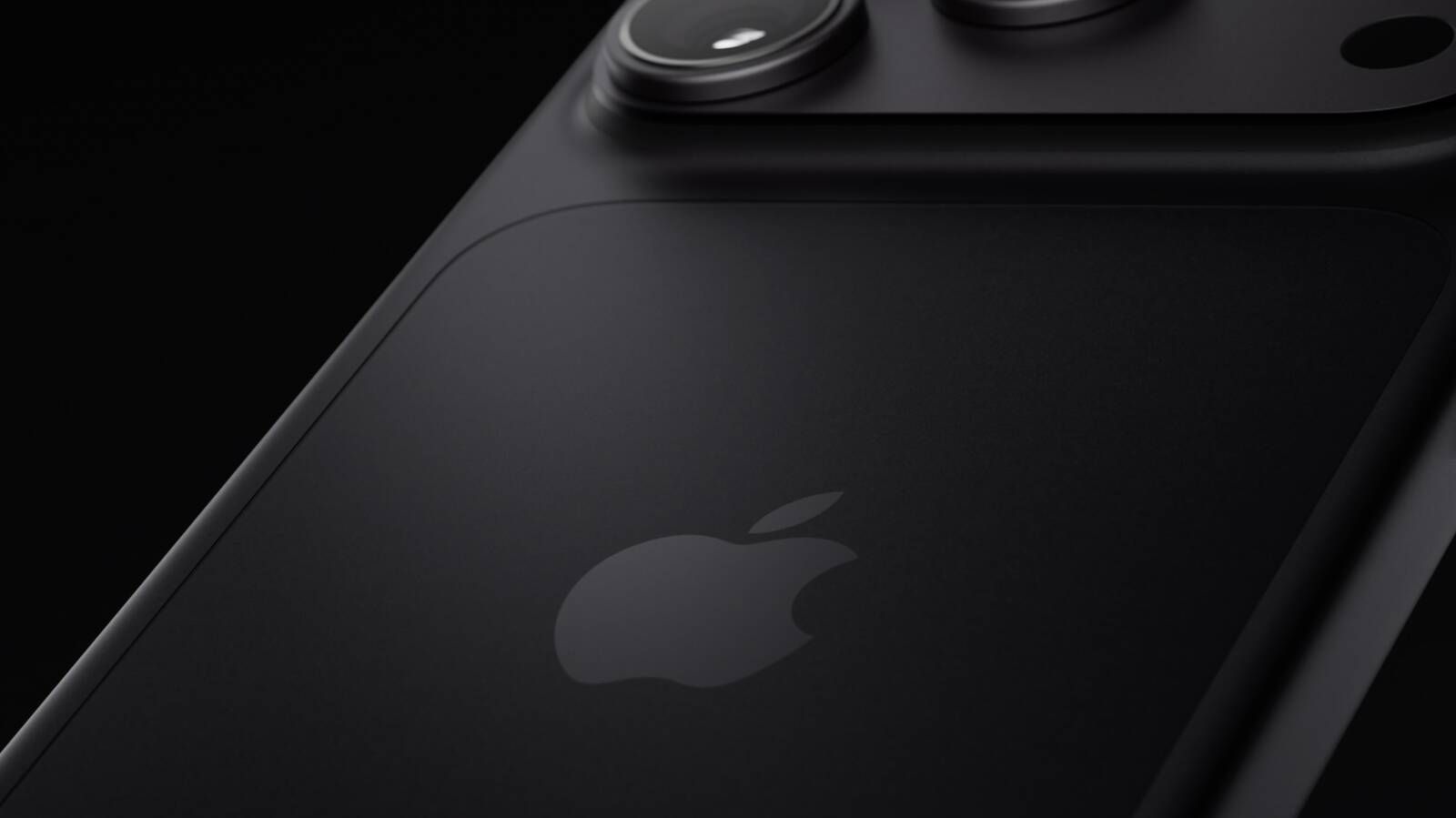
Why the iPhone 18 Pro Max Sold in the US Skips Apple's New Modem
Every iPhone 18 Pro model uses Apple's own C2 modem except one: the Pro Max sold in the United States, which quietly reverts to a Qualcomm chip.
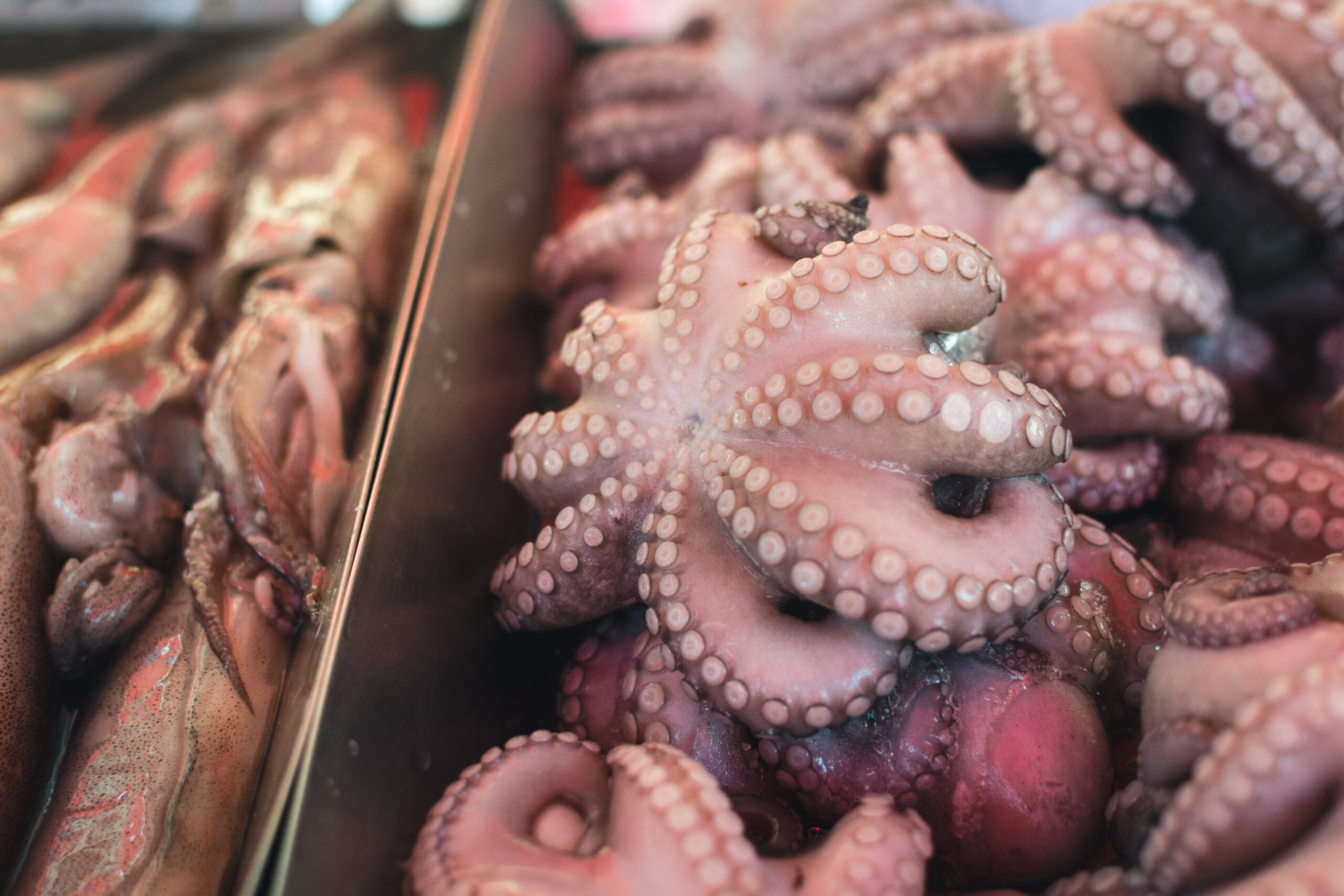
Spain's Octopus Farm Died Before It Ever Opened
A €50 million octopus farm in the Canary Islands never opened. The reasons, and the growing list of bans that followed it, show how fast the science on octopus sentience has moved.
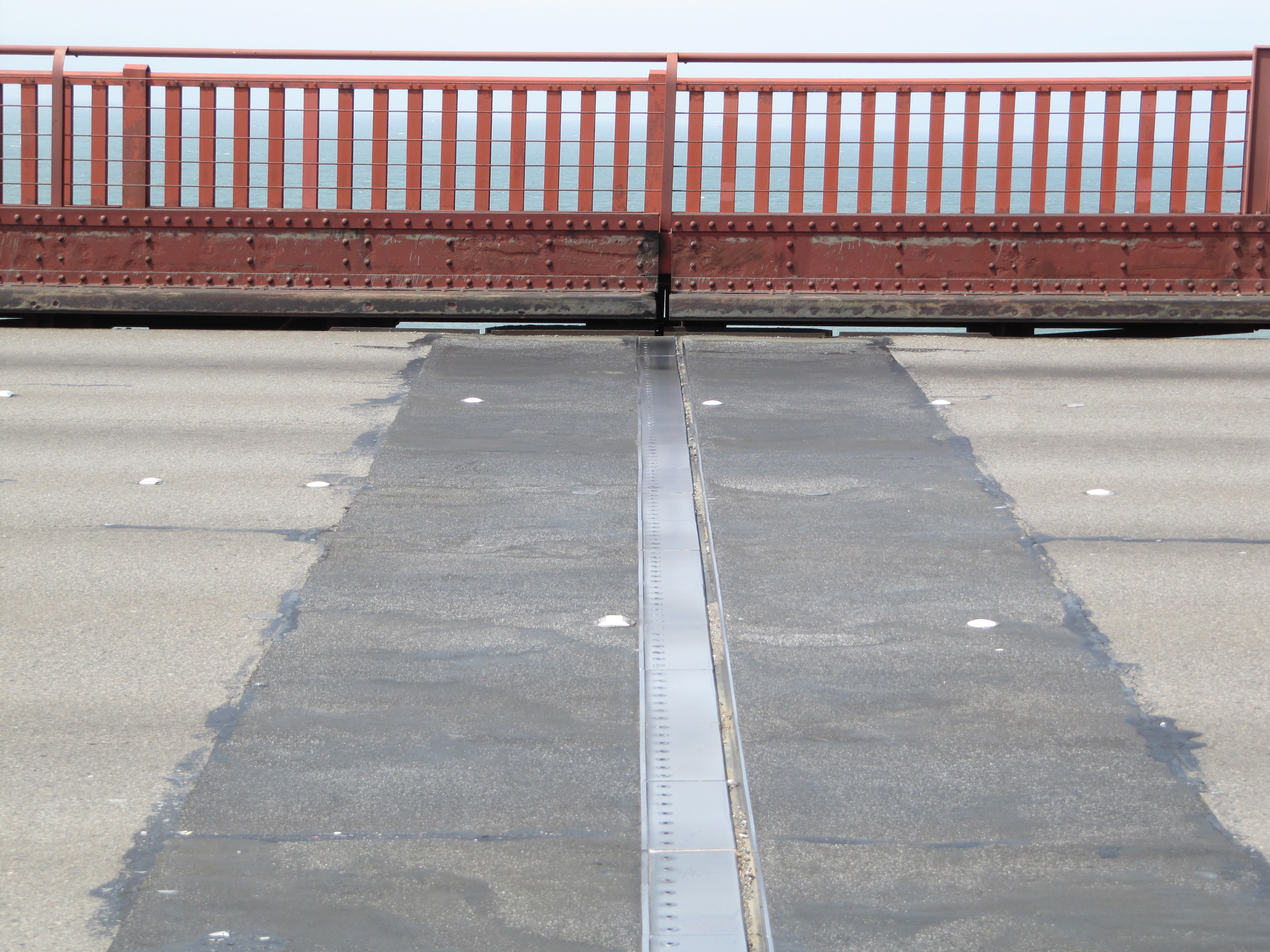
Why Bridges Have Small Gaps in the Road
Bridges are built to move — one New York span sits a full 12 feet lower in summer than winter. The metal gaps in the road are what keep that shift from cracking the structure.

Why Deleting an App Doesn't Free Up as Much Space as You Expect
An app's listed size only covers the program binary. The cache and documents layer beneath it, which both Android and iOS wall off from automatic deletion, is where most of a full phone's storage actually lives.

Why Your Wireless Charger Always Feels Hotter Than a Cable
Wireless charging is roughly 70-80% efficient versus 95% for a cable, and the lost energy shows up as heat -- normal, and rarely something to worry about.

Why ChatGPT Still Can't Count the Letters in a Word
Two years after the “strawberry” meme went viral, ChatGPT and other chatbots still miscount letters — and the reason is architectural, not a bug anyone can simply patch.
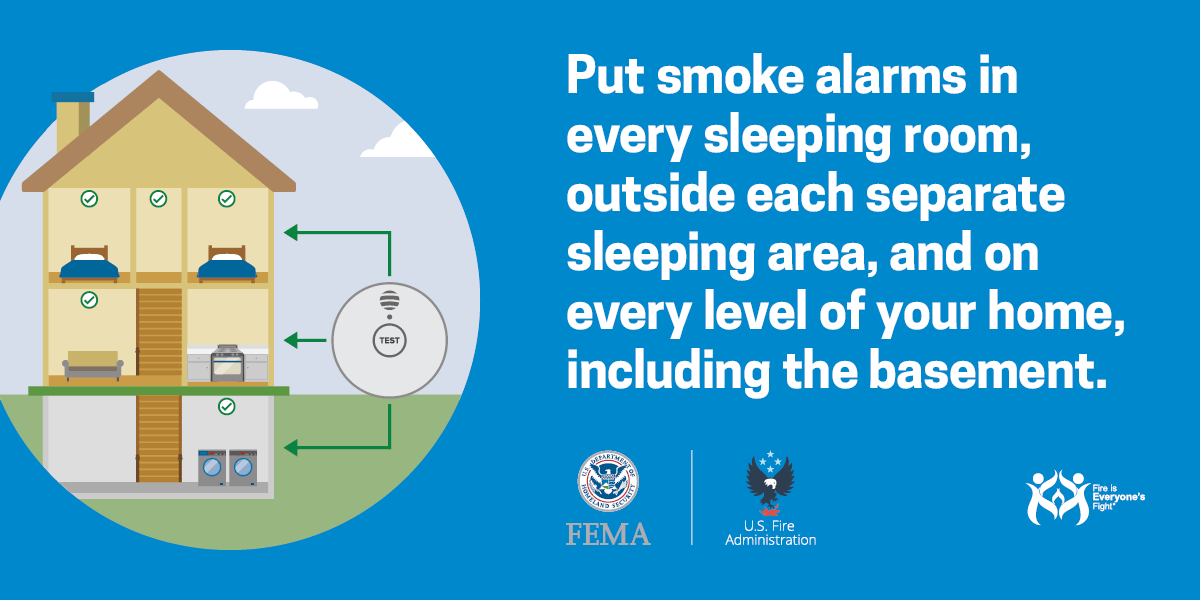
Why Your Smoke Alarm Can Pass Its Test and Still Fail You
A smoke alarm's test button only confirms the horn and wiring work, not whether its ionization or photoelectric sensor can still detect real smoke after a decade of dust, grease, and radioactive decay.

Why AI's Water-Use Numbers Are All Over the Map
A 519-milliliter estimate and a 0.26-milliliter one both come from real research. The gap comes down to what each study counts, onsite cooling, power-plant water, or both, not who's lying.
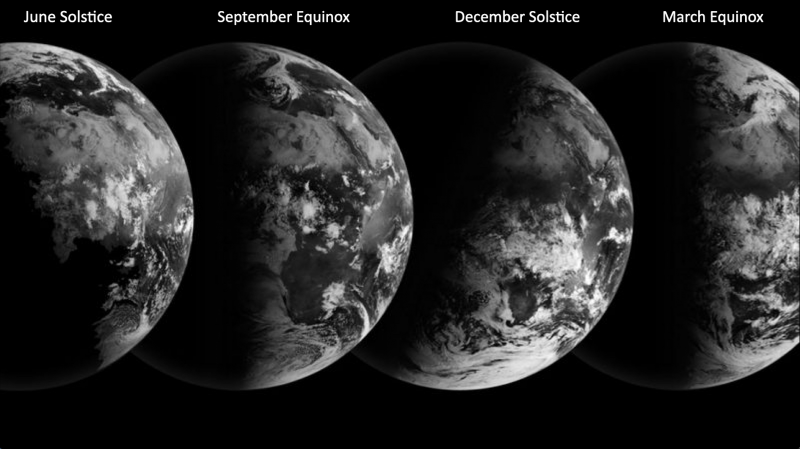
The Equinox Never Actually Splits Day and Night Evenly
Two ordinary facts about sunlight, not measurement error, explain why the equinox never delivers a true 12-hour split anywhere on Earth.

Why Rain Can Corrode Your Car Even Through the Paint
A new Nature study finds ordinary raindrops build up enough static electricity to punch through protective coatings on metal, a corrosion mechanism nobody had measured before.

Why Your HDMI Cable Needs a Sticker to Handle 4K at 120Hz
There's no such thing as an "HDMI 2.1 cable" -- only a certified "Ultra High Speed" one, and the difference decides whether a TV blacks out at 120Hz.
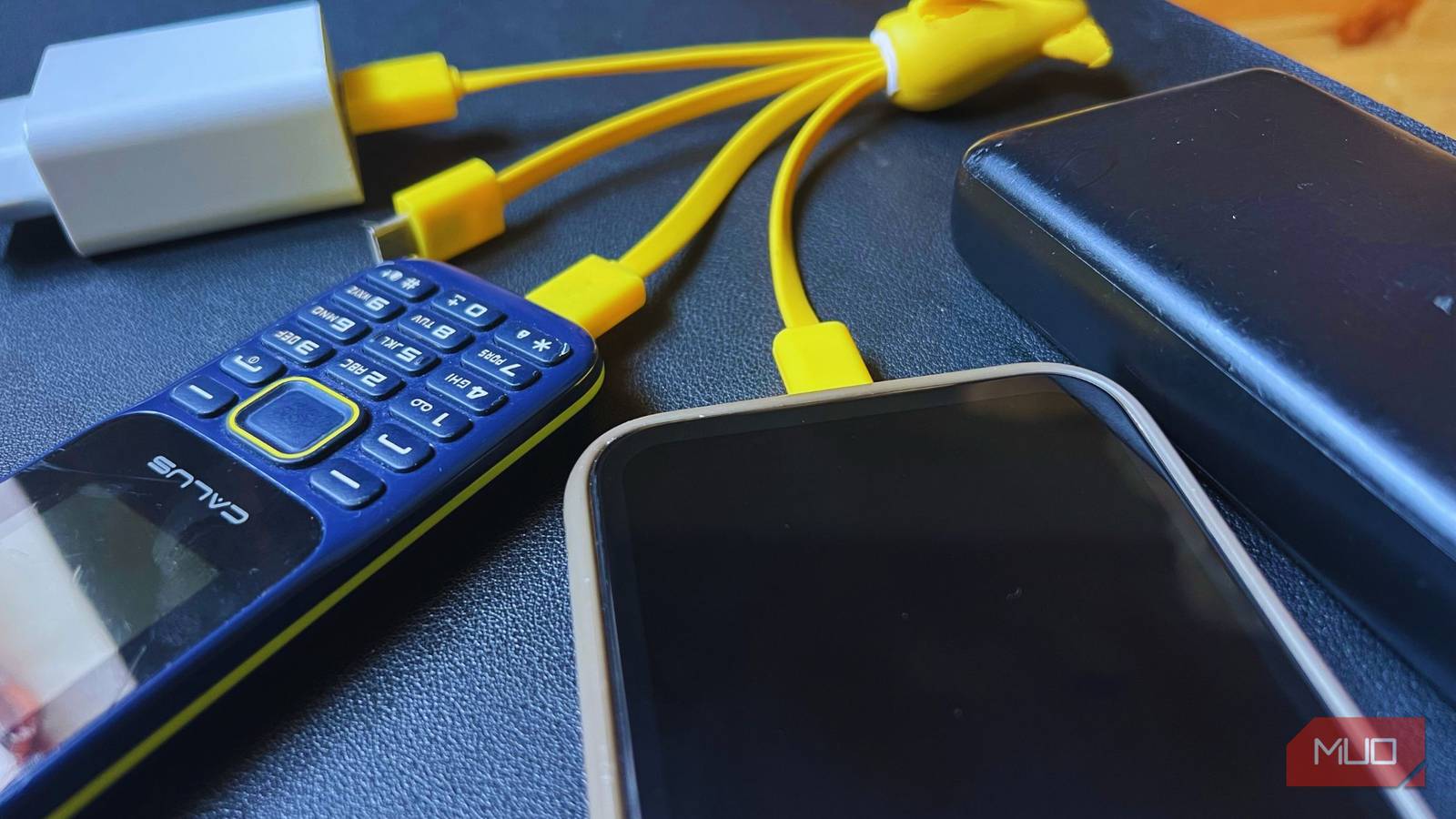
Why Two Same-Wattage Chargers Charge at Different Speeds
Two chargers rated at the same wattage can still charge a phone at very different speeds, and the wattage number rarely explains why.

Why Club Soda Goes Flat Faster Than Sparkling Water
Club soda and sparkling water start with identical carbonation, but one goes flat first because of what else is dissolved in it.
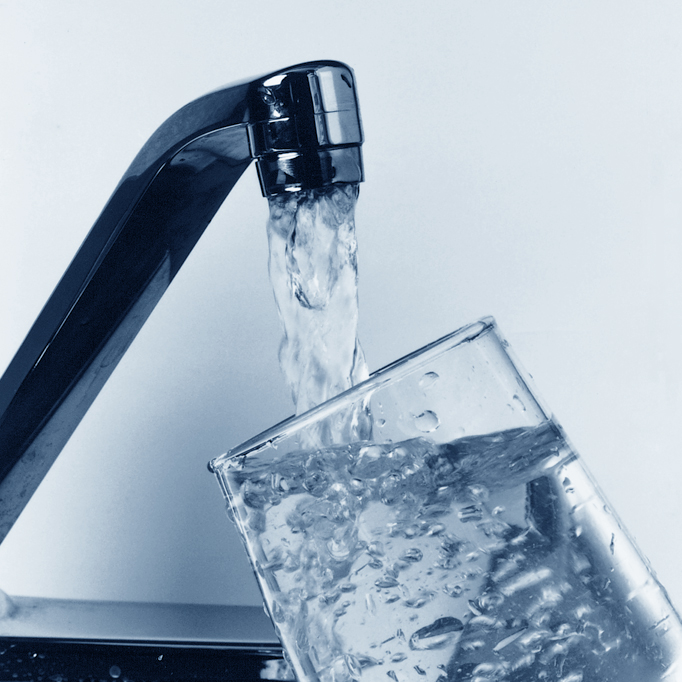
Why Tap Water Tastes Different From One City to the Next
Two glasses of tap water from two different cities aren't the same water. Source rock, disinfectant choice, and plumbing all leave a taste behind.

Mars Is Hundreds of Degrees Hotter on One Side, Study Finds
Mars looks lopsided on the surface — mountains in the south, flat plains in the north. New research shows the asymmetry runs all the way to its molten heart.
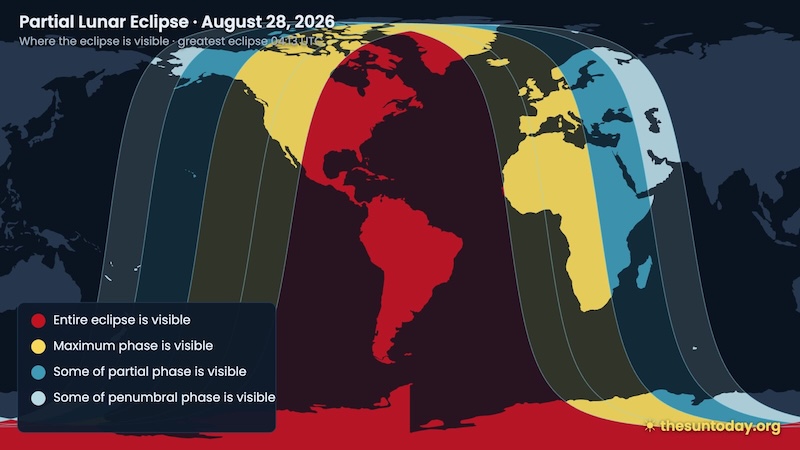
Why Tonight's Near-Total Lunar Eclipse Isn't a Monthly Event
Tonight's deep lunar eclipse won't repeat next month, or even next year. Here's the orbital mechanics behind why eclipses arrive in pairs, twice a year, and no more.

Why Your Printer Drains Ink Even When You Haven't Printed Anything
Inkjet printers periodically flush ink through their nozzles to stop them clogging — sending it straight into a hidden waste pad, whether or not you've printed a page.

Why a Damaged QR Code Still Scans
A coffee stain or a peeling sticker shouldn't kill a QR code, and usually it doesn't. Here's the redundant-data trick, borrowed from deep-space communication, that keeps damaged codes readable.
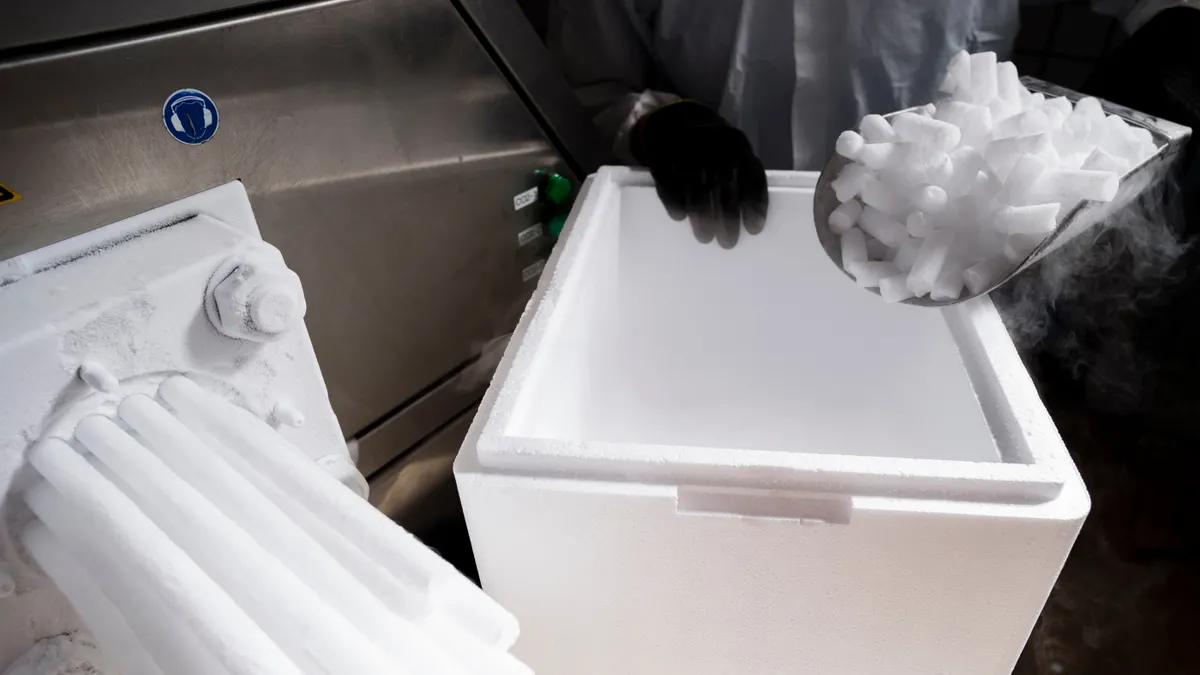
Why Dry Ice Never Melts, and Why It's Getting Scarcer
Dry ice skips the liquid phase entirely because of basic physics — and a widening CO2 supply gap is turning that same physics into a shipping headache.
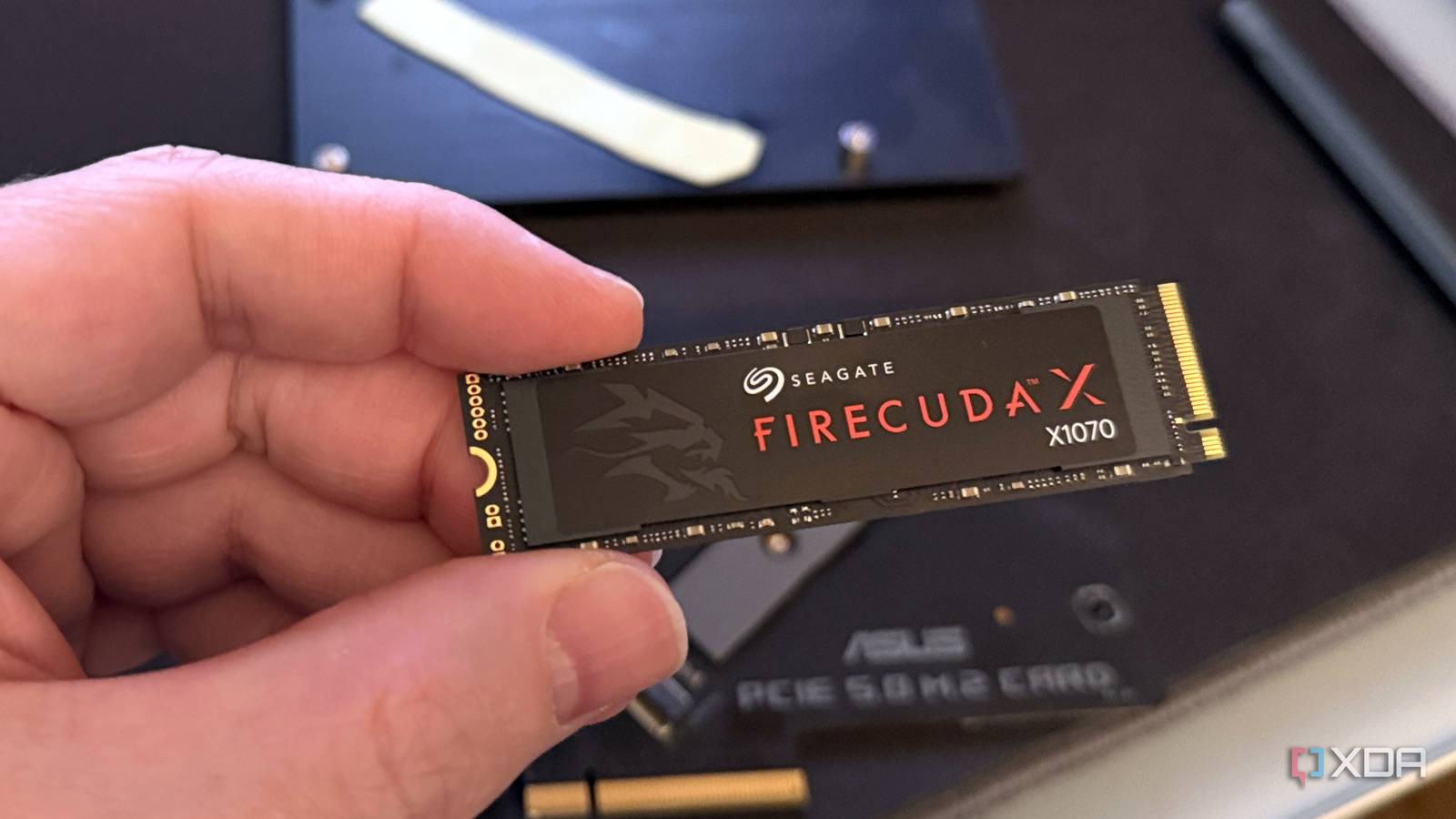
Why Your 'Slow' SSD Is Probably Just Full, Not Old
SSDs need free blocks to write fast. The real reason a drive suddenly feels slow is almost always capacity, not calendar age.