Maya Calder

Why the Oscars Banned Hans Zimmer's Dune: Part Two Score
An Academy rule aimed at recycled themes has quietly disqualified some of the best-reviewed film scores of the last two decades, Hans Zimmer's Dune: Part Two among them.

Türkiye Says It Still Has Final Say Over COP31
Türkiye and Australia split the COP31 presidency to end a yearlong hosting fight. This week Türkiye's climate minister said the deal doesn't make them equals.

Why Vinyl Records Got So Expensive
A new LP now averages $37, up 24% in five years. Pricier plastic, packed pressing plants, and labels selling the same album in seven colors are why.

Why Wildfire Smoke Can Smell Like Burning Plastic
The acrid, chemical smell in wildfire smoke isn't your imagination — it's benzene and formaldehyde, and sometimes it's literally burning plastic.

Why Movie Subtitles and Dubbed Dialogue Often Don't Match
Subtitles and dubbed dialogue are usually written by two separate translators solving two separate problems, which is why they rarely say the same thing.

Why California Drains Its Reservoirs Before a Storm Even Arrives
Before a single drop of storm runoff arrives, California dam operators are already emptying space for it. New atmospheric-river forecasting means they can now time that release to the hour.

Why Hollywood's Movie Raters Are Never Named
A ten-person board decides if your movie is PG-13 or R. Six of them you will never identify. The other four, including its chair since 2019, work in the open.
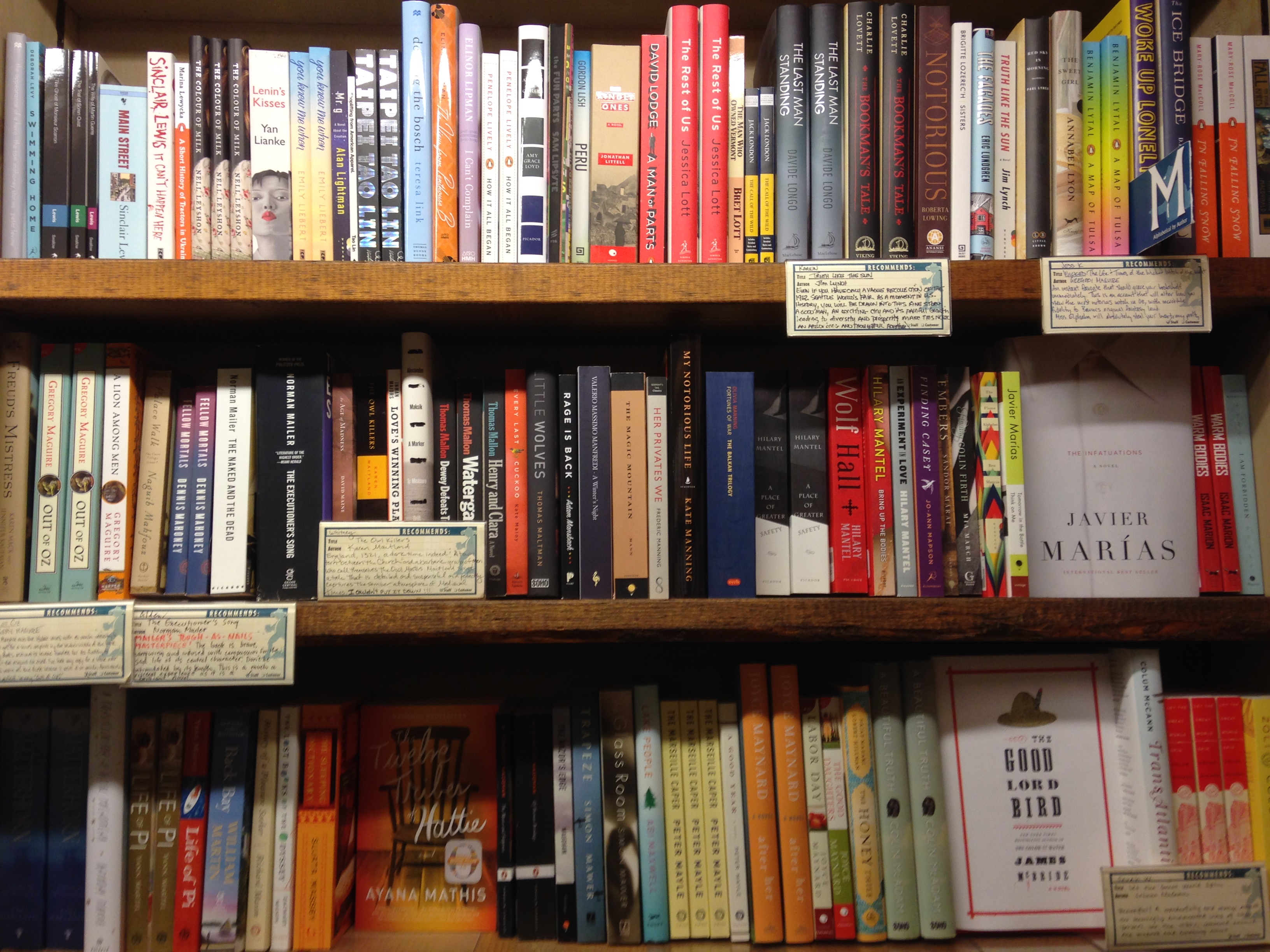
Why a New Book's "Birthday" Is a Contract, Not a Suggestion
Publishers enforce strict on-sale dates called embargoes for new books -- break one, and a bookstore risks fines, lost shipments, even a lawsuit.
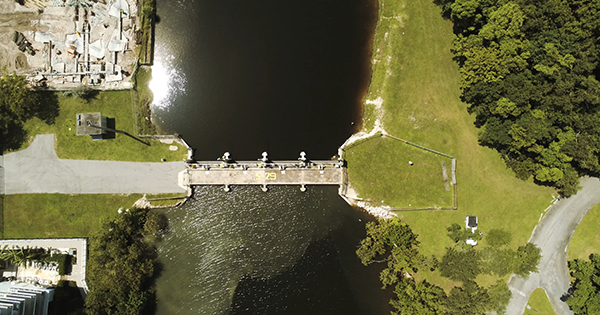
Why King Tides Flood Streets Without a Single Storm
Twice a year, the moon and sun line up to push ordinary high tides over seawalls with no storm in sight, and South Florida just published exactly when it happens next.

Why the Emmy "Year" Never Matches the Calendar Year
A twelve-month window that runs June to May, not January to December, explains why a hit new show can premiere and still wait a year for its shot at an Emmy.

How the Hollywood Walk of Fame Actually Repairs a Star
Dolly Parton's Walk of Fame star was vandalized days after her death, but the repair itself was already scheduled. Here's how the Hollywood Historic Trust actually fixes a star.

What Climate Overshoot Means Now That 1.5°C Is Gone
A new UN report concedes the Paris Agreement's 1.5°C limit will be crossed within years. What happens next is called "overshoot" — and it will shape climate policy for the rest of the century.

Why a Judge Blocked New York's $75 Billion Climate Law
A federal judge sided with 22 Republican state attorneys general to block New York's first-in-the-nation climate superfund fee, ruling the Clean Air Act preempts states from making polluters pay for storm and flood damage.

Why Wind Turbines Sometimes Shut Off on Windy Days
A stationary turbine on a windy day usually isn't broken. It's hit a safety limit, a grid order, or a maintenance window.
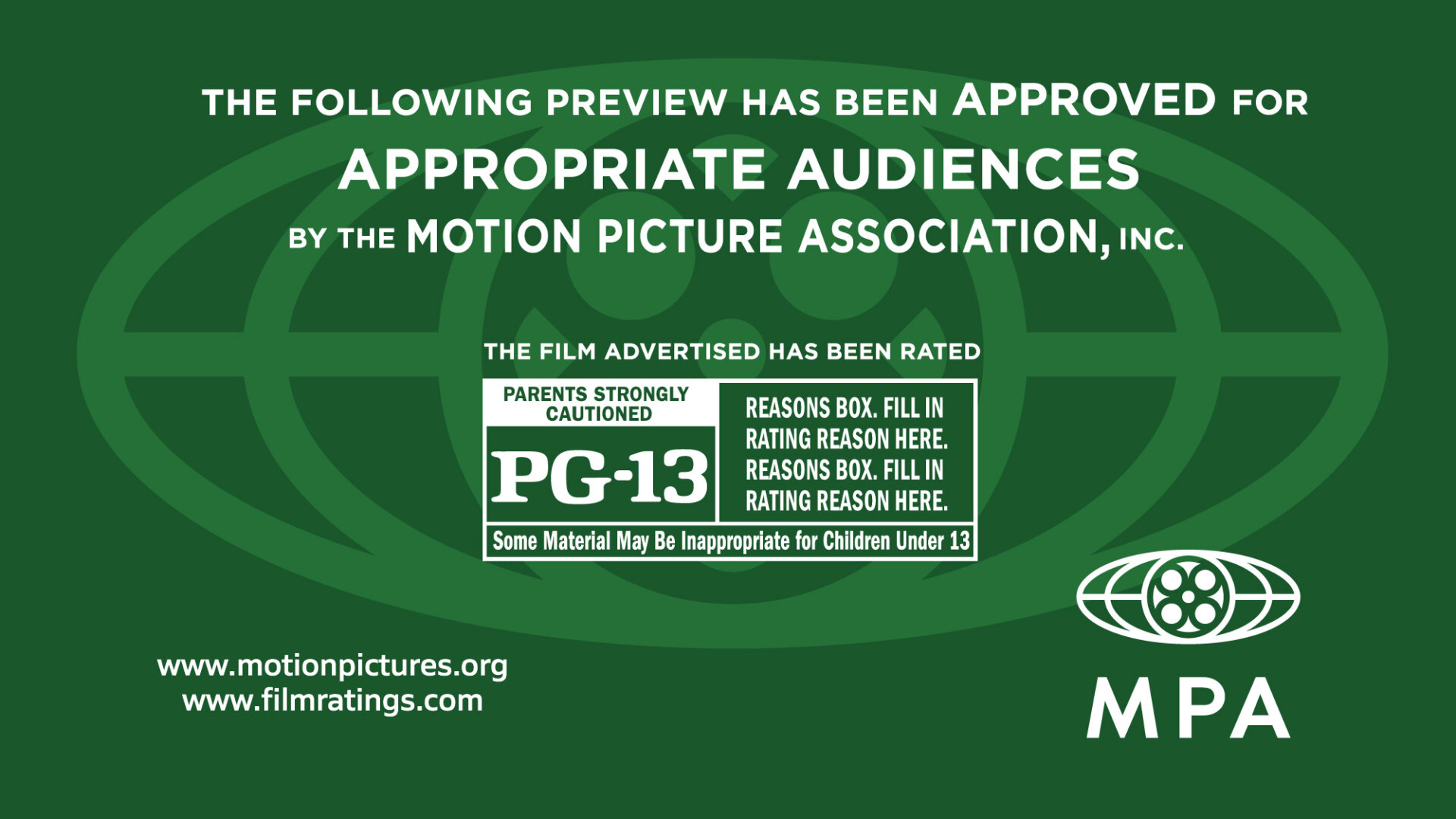
Why a PG-13 Movie in the US Can Be a 15 in the UK
Two ratings boards look at the same cut of film and land in different places, mostly because they weigh violence differently.

Why AMC and Other Theaters Now Run 30 Minutes of Ads
A 2019 ad deal set off a decade-long standoff between theater chains chasing revenue and studios who need people to actually see the trailers.

Why Balcony Solar Is Still Illegal in Most States, Explained
A 400-watt panel that plugs into a wall outlet like a toaster is one governor's signature away from being legal in California. Most states still haven't caught up.

Why Movie Theaters Are Still So Cold, 100 Years Later
A 1925 Times Square theater bet everything on an untested cooling system and accidentally invented the summer blockbuster. The habit it started never really stopped.

California's Fire Insurer Just Needed Its Own Bailout
After the 2025 Los Angeles fires, California's insurer of last resort needed a $1 billion rescue, its first since 1993. Homeowners who never filed a claim are footing part of the bill.
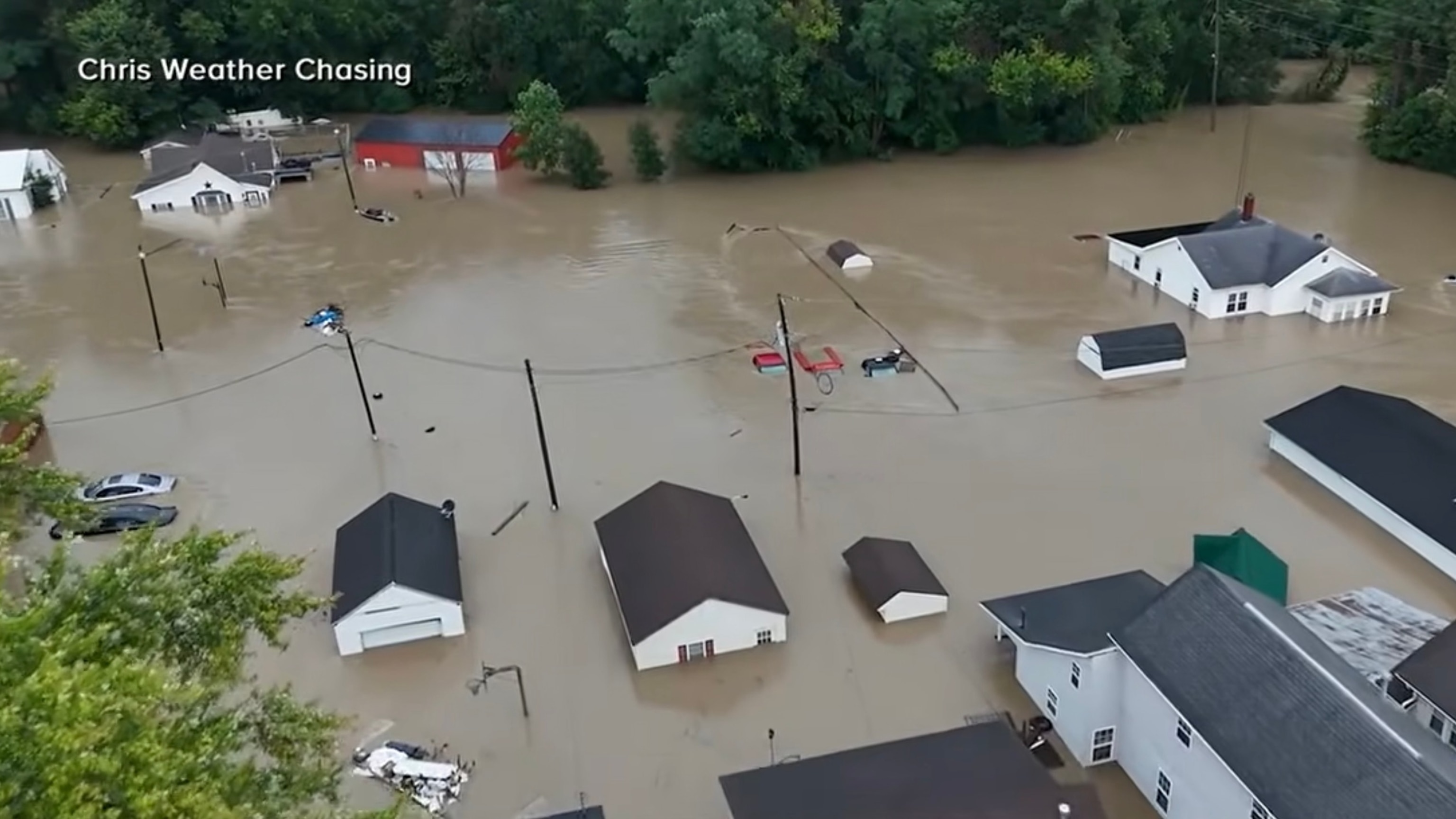
Indiana's Flood Was a 1-in-1,000-Year Storm the Drains Couldn't Handle
Record rain overwhelmed small-town Indiana this month. The bigger story is a stormwater system that earned a D on its last national report card, and a $115 billion repair bill nobody's paying.