Public health

Why Vaccinated People Are Still Catching Measles in Pennsylvania
Four fully vaccinated Pennsylvanians caught measles as the state's outbreak topped 676 cases — a reminder that a 97% effective vaccine was never advertised as 100%.

Why Wildfire Smoke Can Smell Like Burning Plastic
The acrid, chemical smell in wildfire smoke isn't your imagination — it's benzene and formaldehyde, and sometimes it's literally burning plastic.

Why Placebos Still Work Even When Patients Know They're Fake
Patients told plainly that their pills contain no medicine still report real relief. The effect is genuine, but it has limits worth understanding.
Why Saliva Drug Tests Have Such a Short Detection Window
Saliva tests screen for the parent drug compound itself rather than the metabolite urine tests catch, which is why they see only a day or two back instead of weeks.
Why Your Generic Prescription Keeps Changing Color
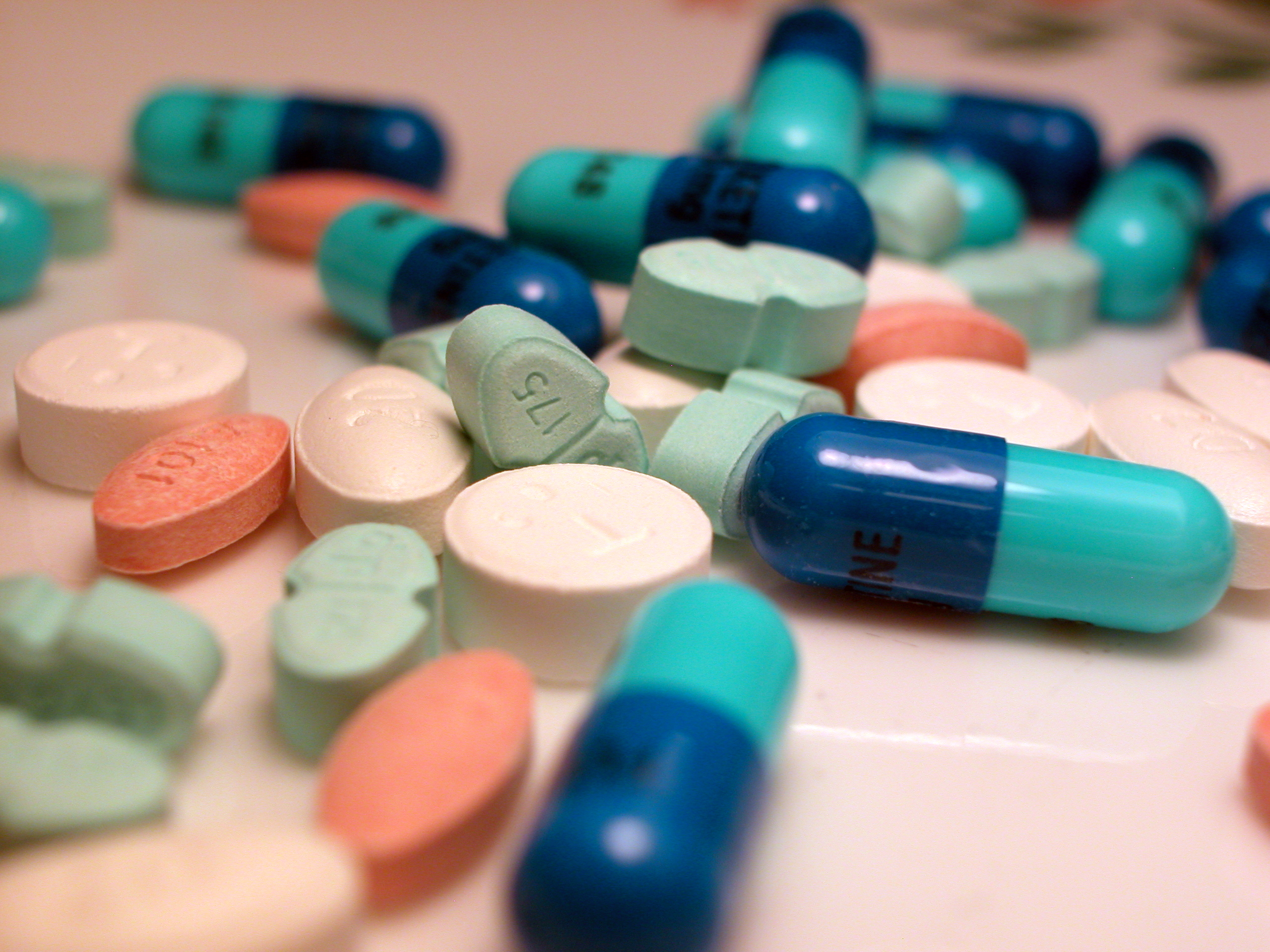
Trademark law bars generics from looking like the brand name, and pharmacy supply chains swap manufacturers often -- so your pill keeps changing, safely.

Why Walking Pneumonia Surges Every Three to Seven Years
Walking pneumonia isn't a seasonal illness like the flu. CDC data show it moves in multi-year waves driven by fading population immunity — and the latest one hasn't fully cleared.
Why This Year's Flu Shot Replaced All Three of Its Strains
For the first time in years, regulators rebuilt the flu vaccine from scratch, swapping the H1N1, H3N2, and B strains after a fast-mutating H3N2 variant cut protection in some patients to as little as 14%.

Why Rabid Baby Goats Can Look Perfectly Healthy for Weeks
Four baby goats at a North Carolina petting zoo tested positive for rabies without ever looking sick. Here's why infected animals can seem completely healthy until it's too late.

Why Measles Keeps Coming Back Despite a Vaccine That Works
Measles cases in the U.S. have already topped last year's total, and Pennsylvania just recorded the country's first deaths from the disease in 35 years. The reason it keeps returning comes down to one number: 95%.
Why Tap Water Tastes Different From One City to the Next
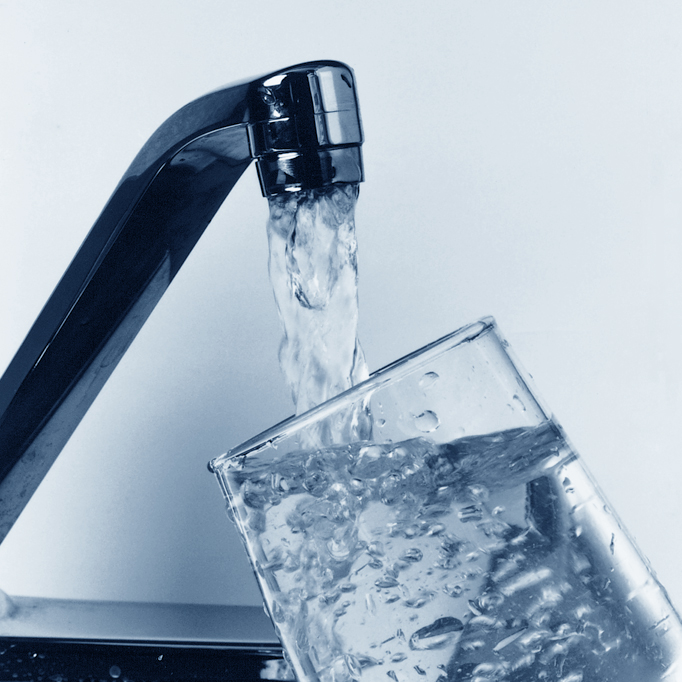
Two glasses of tap water from two different cities aren't the same water. Source rock, disinfectant choice, and plumbing all leave a taste behind.

A CAR T-Cell Trial Just Put 3 of 6 Arthritis Patients in Remission
Doctors in Berlin turned a cancer treatment on rheumatoid arthritis that had defeated every other drug. In a trial of six patients, half stopped needing medication.
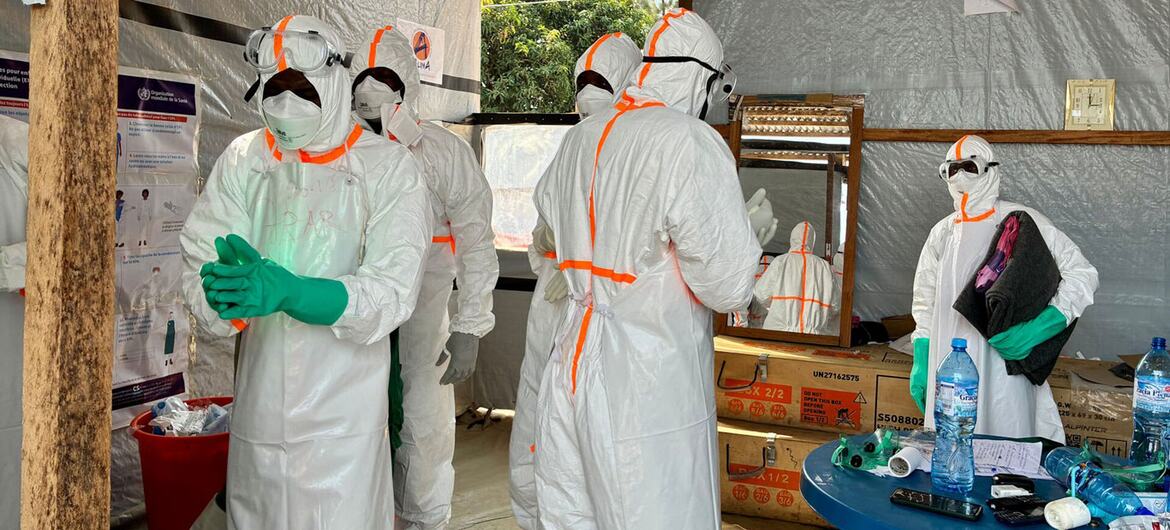
Why the DR Congo Ebola Outbreak Keeps Breaking Records
DR Congo's Ebola case counts keep breaking records for a specific reason: the strain spreading has no approved vaccine, and its death rate is climbing, not falling.

Does Allergy Medicine Really Stop Working? The Evidence Says Mostly No
The idea that allergy pills 'stop working' after months of daily use isn't well supported by the evidence — but the FDA has flagged a real, different reaction to watch for when you quit.

Compounding Pharmacies, Explained: Why 'FDA-Approved' Is a Lie
Compounding pharmacies aren't FDA-approved, because that approval doesn't exist for them. Here's the regulatory split behind the copycat-Ozempic crackdown, and why claiming otherwise just got 25 telehealth firms in trouble.
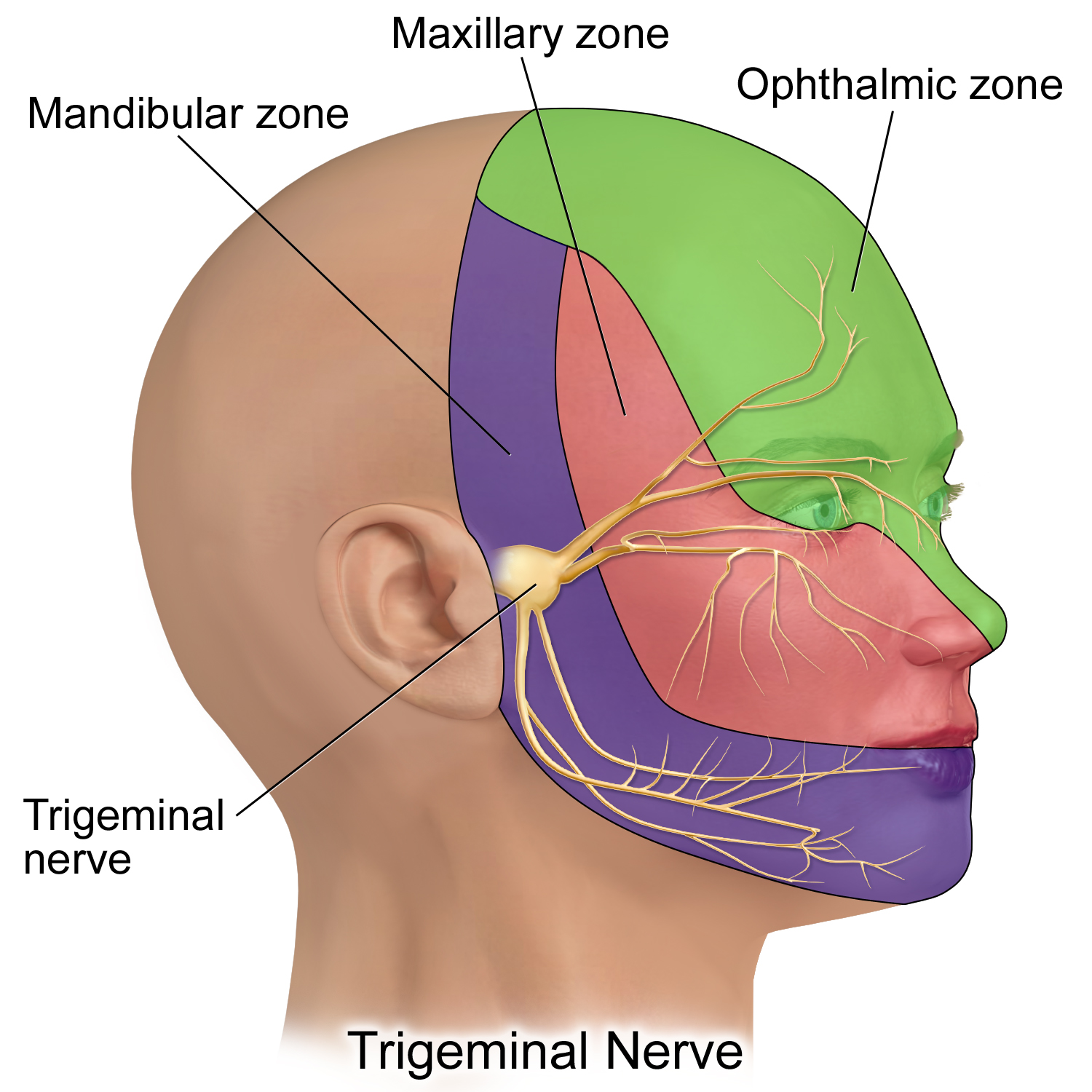
Why Cold Sores Always Come Back in the Same Spot
It isn't bad luck. HSV-1 goes dormant in a single nerve branch and always follows that same route back to the skin.
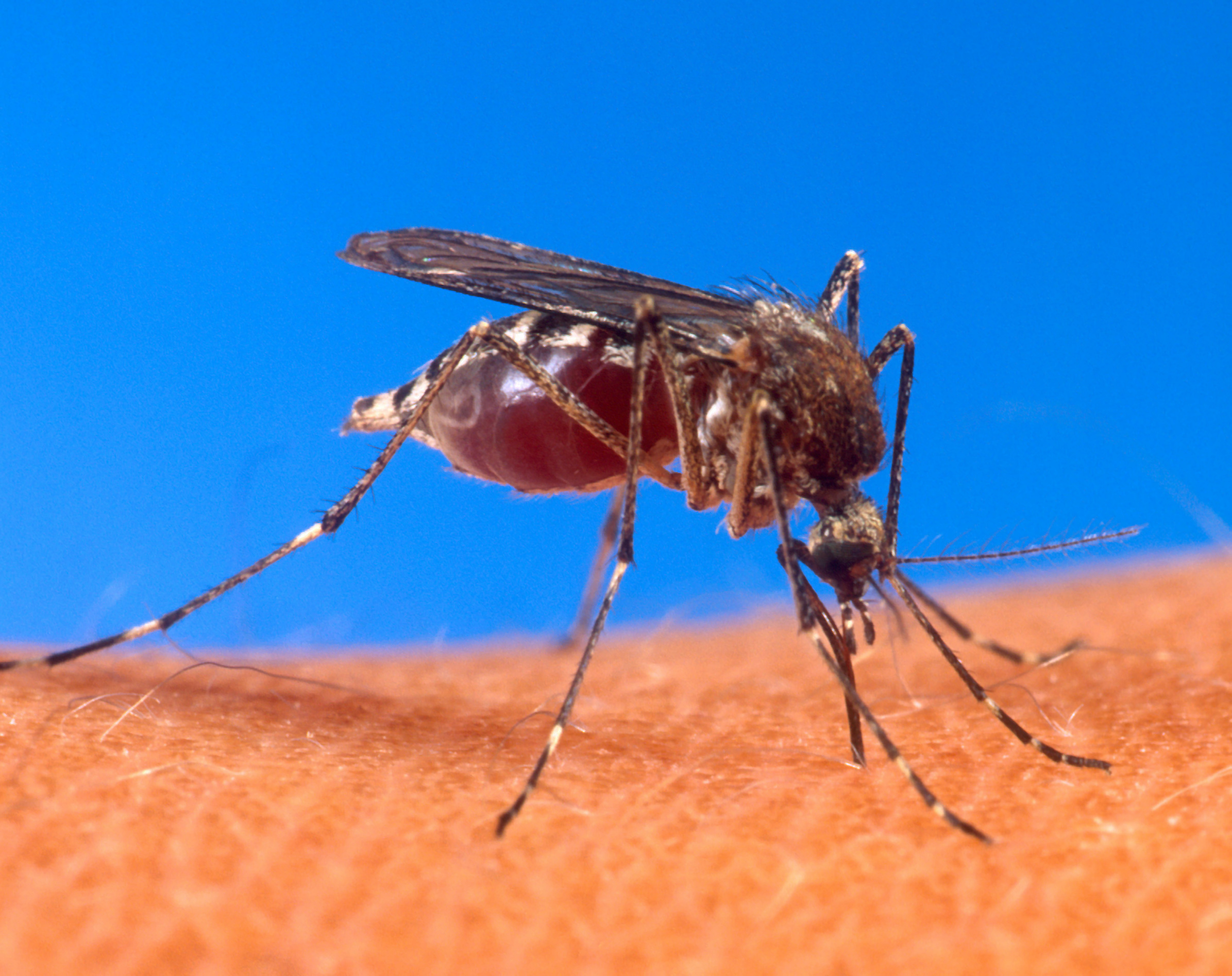
Why Mosquito Bites Itch More at Night
It's not just distraction. Cortisol bottoms out at night while histamine activity rises, and mosquitoes themselves are built to hunt hardest at dusk and dawn.

Why Pharmacies Cap How Much Sudafed You Can Buy
A federal tracking system logs every pseudoephedrine sale in real time. Here's why Sudafed sits behind the counter, what the purchase limits actually are, and when they start to matter.

Antihistamines Don't Really Lose Their Punch. Sprays Do.
The idea that Zyrtec or Claritin "stops working" after enough years is mostly folklore. The medicine that genuinely does lose its effect is the decongestant spray sitting next to it.

Why Nighttime Heat Is Rising Faster Than Daytime Highs in US Cities
Cities don't just run hotter than the countryside — they stay hotter after dark, and the nighttime gap is often wider than the daytime one.

Why Mosquitoes Bite Some People More Than Others
Roughly 1 in 5 people get bitten far more than everyone around them. Blood type, sweat chemistry, exercise and genetics all contribute, and the beer connection remains an unsolved mystery.