physics
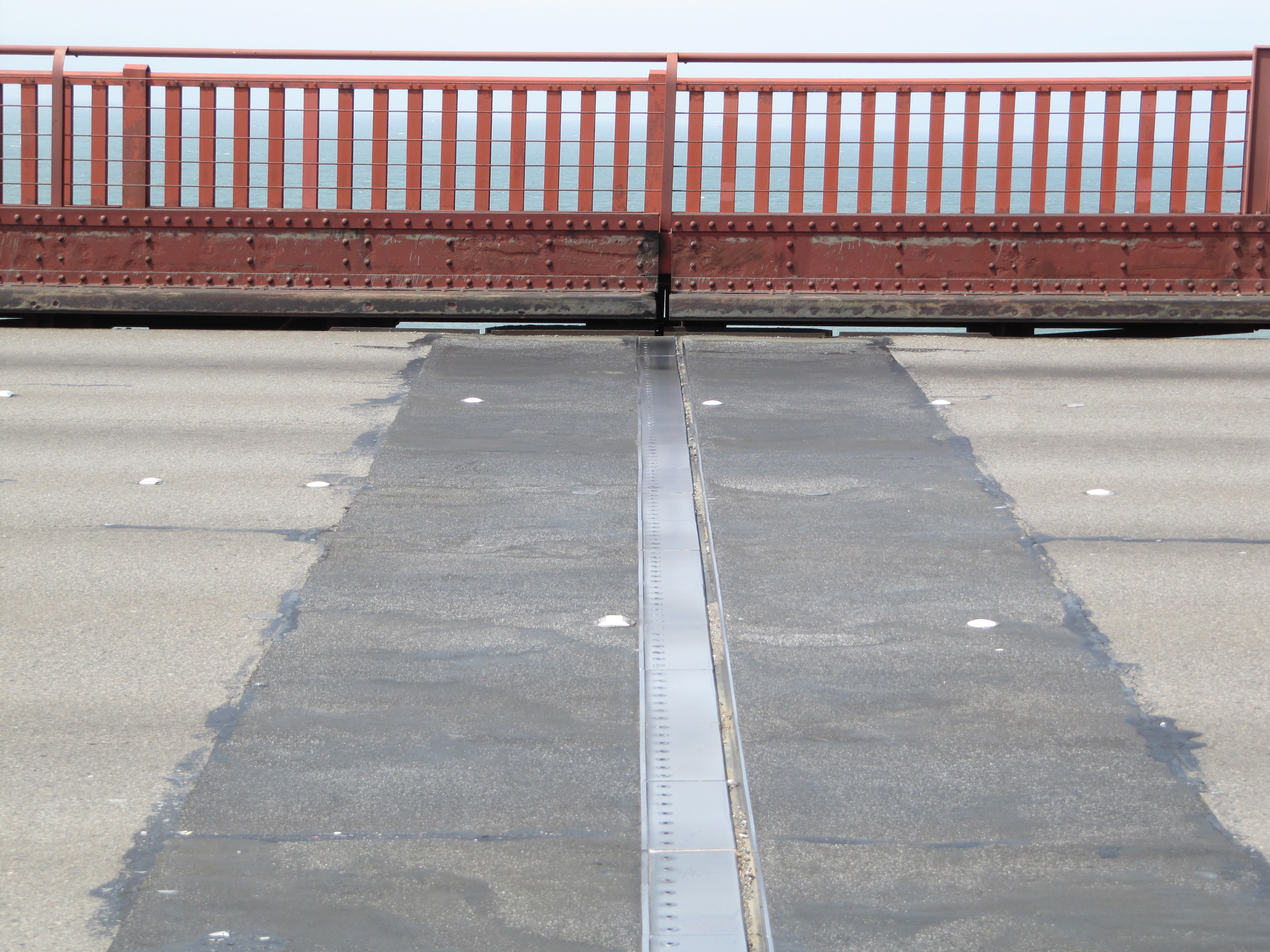
Why Bridges Have Small Gaps in the Road
Bridges are built to move — one New York span sits a full 12 feet lower in summer than winter. The metal gaps in the road are what keep that shift from cracking the structure.
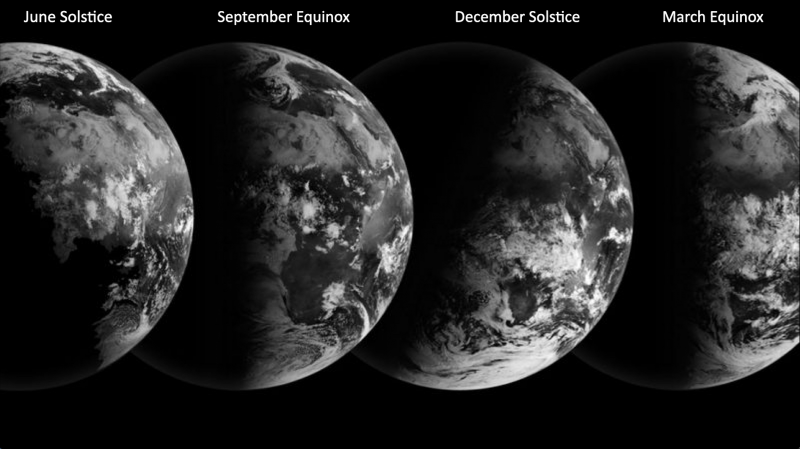
The Equinox Never Actually Splits Day and Night Evenly
Two ordinary facts about sunlight, not measurement error, explain why the equinox never delivers a true 12-hour split anywhere on Earth.

Why Rain Can Corrode Your Car Even Through the Paint
A new Nature study finds ordinary raindrops build up enough static electricity to punch through protective coatings on metal, a corrosion mechanism nobody had measured before.

Why Club Soda Goes Flat Faster Than Sparkling Water
Club soda and sparkling water start with identical carbonation, but one goes flat first because of what else is dissolved in it.

Mars Is Hundreds of Degrees Hotter on One Side, Study Finds
Mars looks lopsided on the surface — mountains in the south, flat plains in the north. New research shows the asymmetry runs all the way to its molten heart.
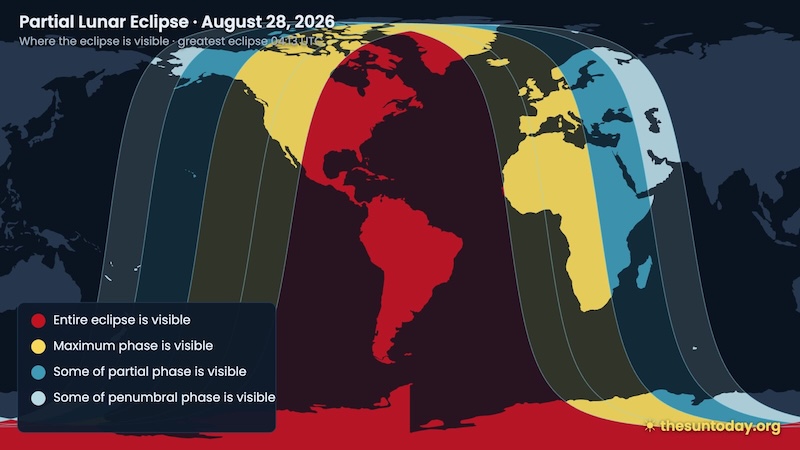
Why Tonight's Near-Total Lunar Eclipse Isn't a Monthly Event
Tonight's deep lunar eclipse won't repeat next month, or even next year. Here's the orbital mechanics behind why eclipses arrive in pairs, twice a year, and no more.
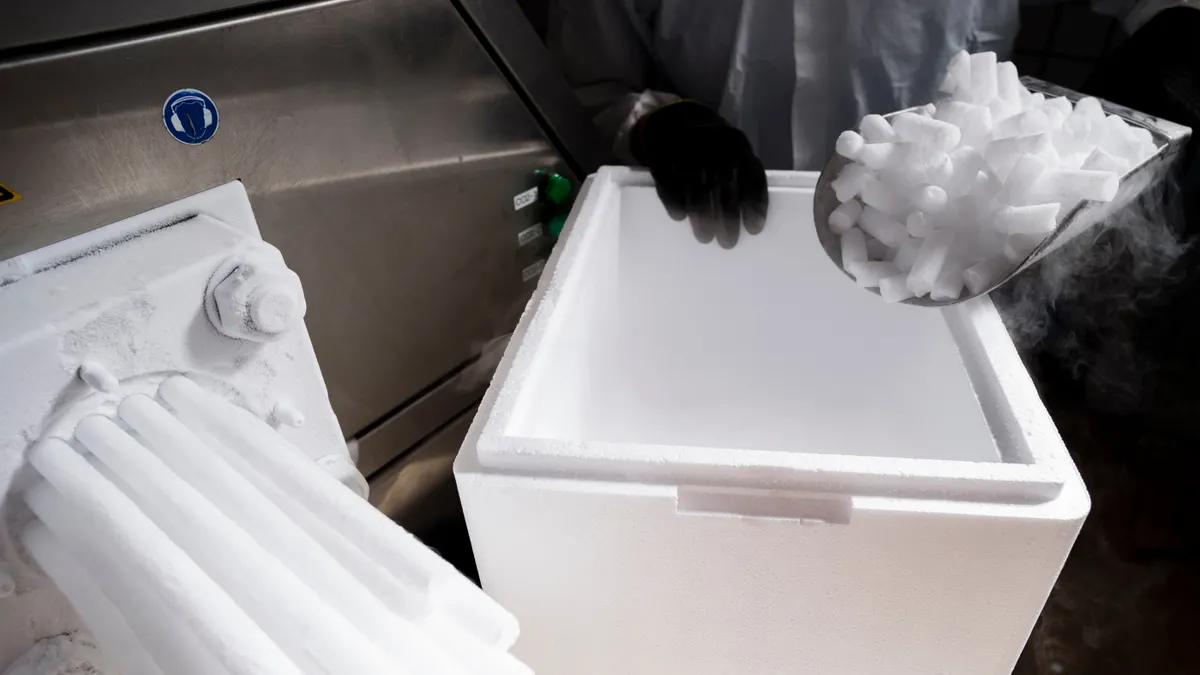
Why Dry Ice Never Melts, and Why It's Getting Scarcer
Dry ice skips the liquid phase entirely because of basic physics — and a widening CO2 supply gap is turning that same physics into a shipping headache.

Why Cat Pupils Are Vertical Slits and Dogs' Are Round
A Berkeley vision scientist studied 214 land animals and found pupil shape isn't random. It's optics, tuned to whether an animal ambushes, grazes, or chases.
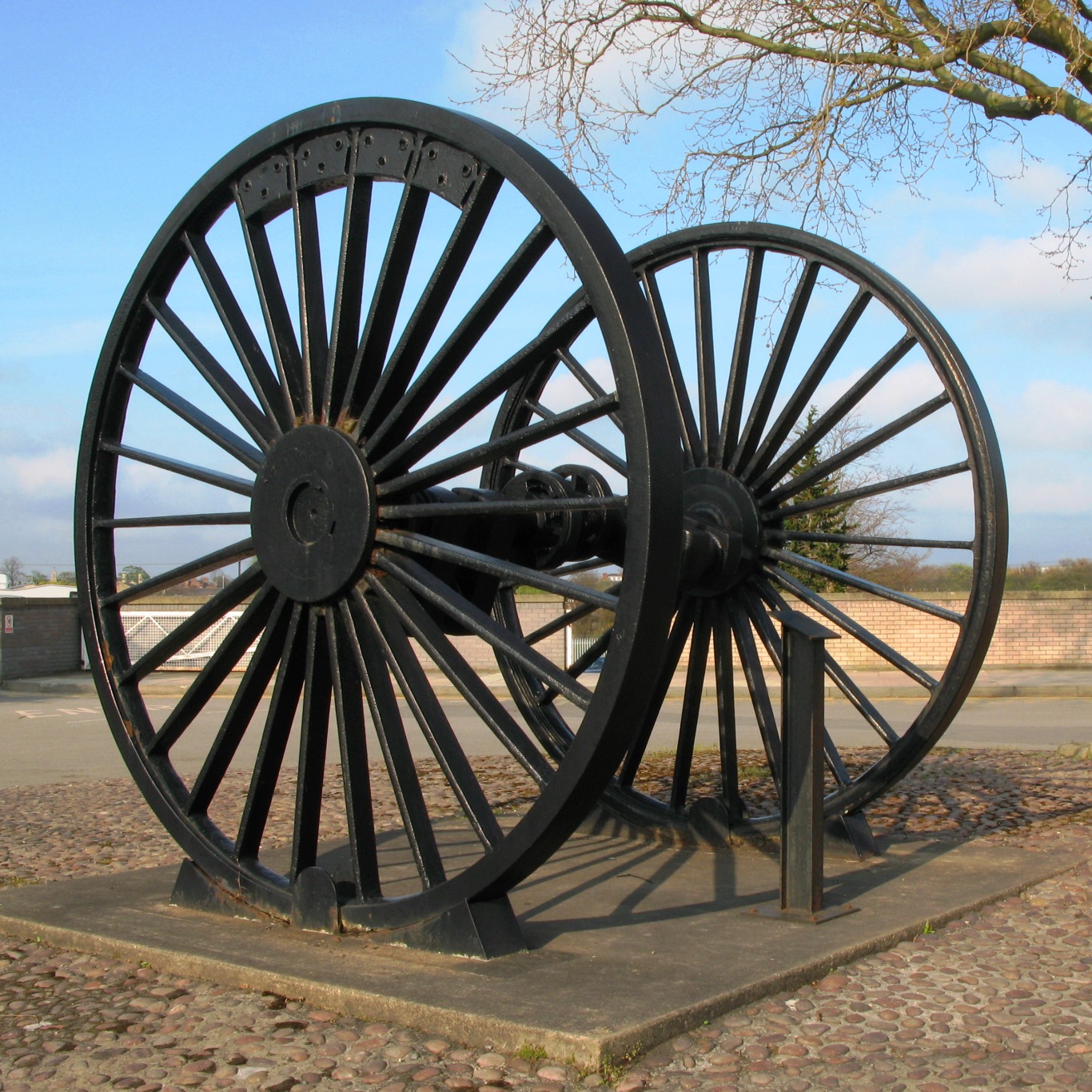
Why Train Wheels Never Need to Steer
No one steers a train around a curve. A 19th-century trick of geometry, the conical wheel, does that job instead, and railroads are still refining it.

Why Subway Trains Screech So Loudly on Tight Curves
Trains can't steer their wheels independently, so tight curves force a stick-slip vibration that turns steel into a very loud, unintentional bell.

Why Your Windshield Frosts Over When It's Above Freezing
Frost can form on a windshield when the forecast still reads in the upper 30s. The gap comes down to where, and how, temperature is actually measured.
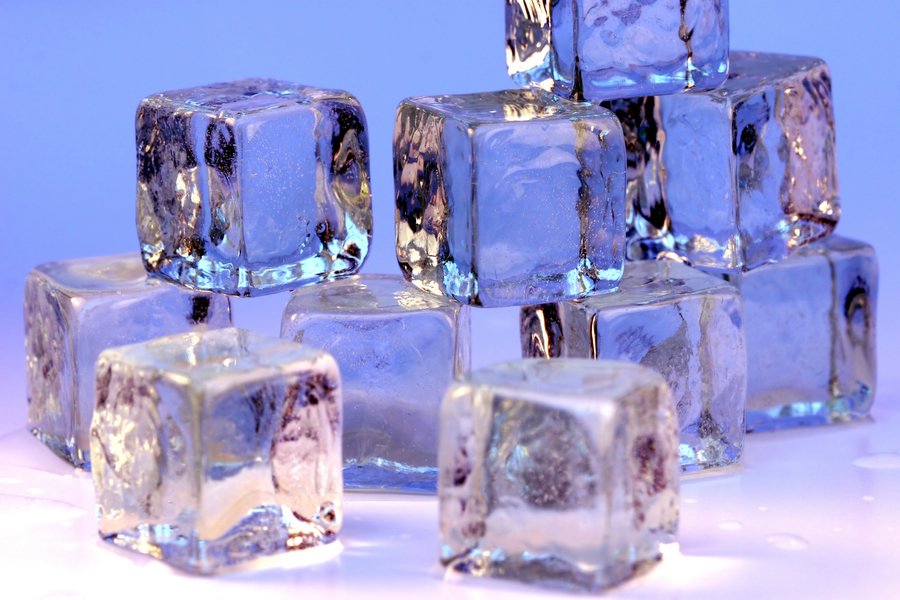
The Mpemba Effect: Why Hot Water Sometimes Beats Cold to Freeze
For 60 years physicists couldn't agree whether hot water really freezes faster than cold. A 2025 study finally explains why the effect is real, and why it's mostly chance.

Why Thunder Sometimes Cracks and Other Times Just Rumbles
A lightning bolt makes one discharge. What you hear afterward depends entirely on how far away you're standing when the sound arrives.

The Physics Behind Why Your Car Door Shocks You
Static shocks from car doors spike in dry, cold weather for a specific physics reason involving friction, fabric and where the charge finally finds ground.