Consumer Tech
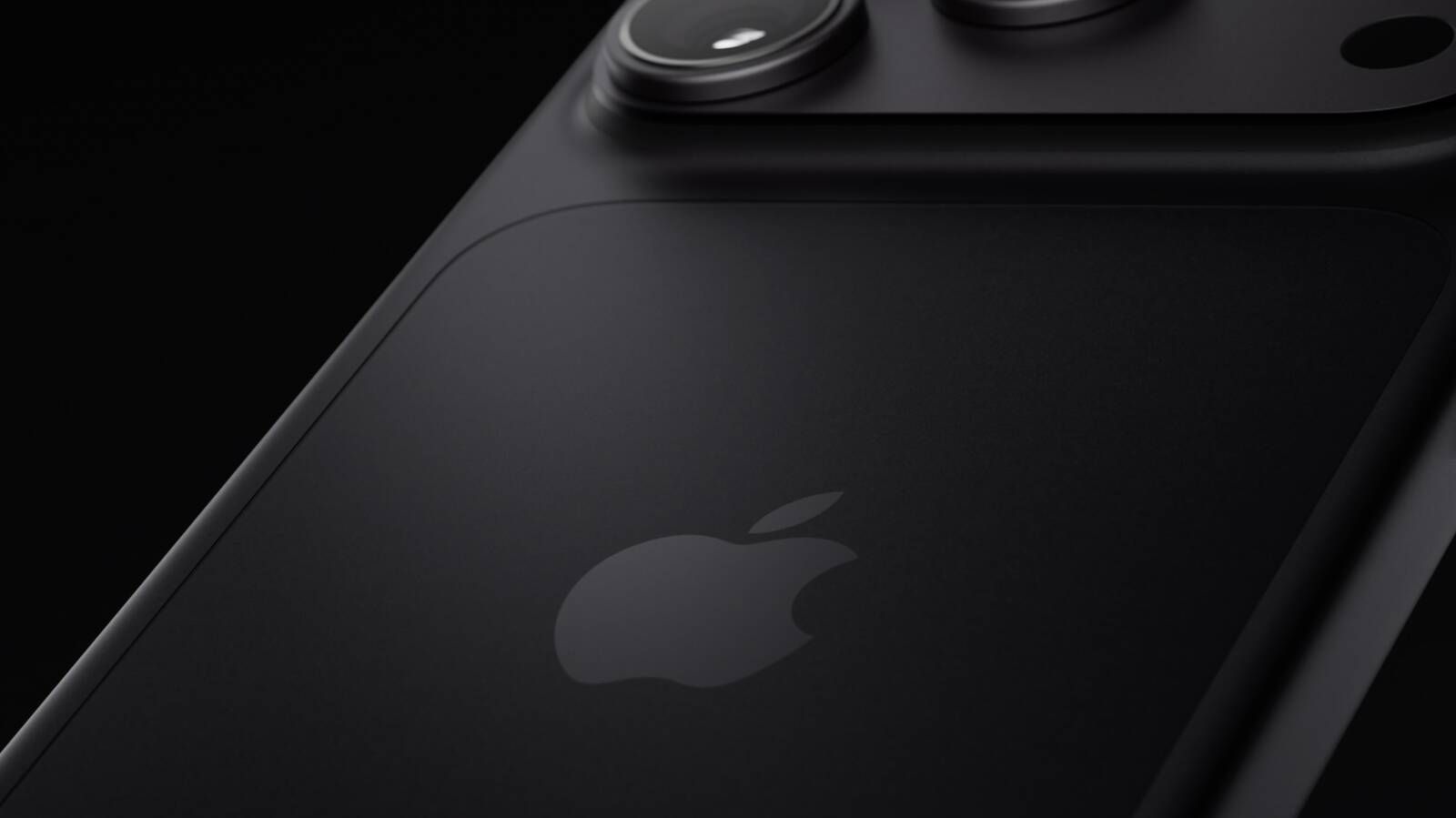
Why the iPhone 18 Pro Max Sold in the US Skips Apple's New Modem
Every iPhone 18 Pro model uses Apple's own C2 modem except one: the Pro Max sold in the United States, which quietly reverts to a Qualcomm chip.

Why Deleting an App Doesn't Free Up as Much Space as You Expect
An app's listed size only covers the program binary. The cache and documents layer beneath it, which both Android and iOS wall off from automatic deletion, is where most of a full phone's storage actually lives.

Why Your Wireless Charger Always Feels Hotter Than a Cable
Wireless charging is roughly 70-80% efficient versus 95% for a cable, and the lost energy shows up as heat -- normal, and rarely something to worry about.

Why ChatGPT Still Can't Count the Letters in a Word
Two years after the “strawberry” meme went viral, ChatGPT and other chatbots still miscount letters — and the reason is architectural, not a bug anyone can simply patch.

Why Your DoorDash Delivery Time Keeps Moving After You Order
DoorDash and Uber Eats don't show a fixed delivery time -- they show a live prediction that updates itself repeatedly, and the model behind it is doing real engineering work.

Why Your HDMI Cable Needs a Sticker to Handle 4K at 120Hz
There's no such thing as an "HDMI 2.1 cable" -- only a certified "Ultra High Speed" one, and the difference decides whether a TV blacks out at 120Hz.

Why Museums Still Ban Your Camera Flash, Even Though It's Harmless
The evidence says a camera flash barely dents what museum lighting already does to pigment each year. The real reasons galleries still ban it are older than digital cameras.
Why Isn't Every USB-C Charger the Same Wattage?
Two USB-C chargers can look the same, cost the same, and still charge at wildly different speeds. The difference lives in the USB Power Delivery negotiation, not the plug.

Why Your AirPods Keep Switching to Transparency Mode
The chime you did not ask for has a cause, and it is usually a hearing-safety feature that needs a listening mode switched on to work at all.