Congress
Congress Beat the Shutdown Deadline. It Still Hasn't Passed a Budget.
The House and Senate funded the government a month early this year, but the fix was the same one Congress has used 141 times since 1998: a continuing resolution, not a budget.

Why Virginia and New Jersey Elect Their Governors in Odd Years
Virginia, New Jersey, Kentucky, Louisiana and Mississippi elect governors on a calendar built, in part, to keep the electorate smaller. It still does.

Why New Members of Congress Still Draw Lots for Their Office
No seniority, no vote, just a numbered chip pulled from a wooden box. That's how the House has decided which freshmen get a good office since 1908, and this November's class draws again.

Why USPS Just Lost the Power to Raise Stamp Prices Twice a Year
A federal regulator capped USPS to one mail price increase a year through 2030, reversing a five-year run of twice-yearly hikes that still left the agency $9 billion short.
Sunset Clauses, Explained: The Law That Expired but Didn't Stop
A federal surveillance law expired in June 2026 and the surveillance kept running anyway. Here's how sunset clauses actually end, or don't end, a law.

Why 'Impeach This Judge' Threats Almost Never Work
The House has impeached only 15 federal judges since 1803, all for crimes like bribery or perjury. A 2025 wave of impeachment threats over rulings broke that pattern.

The 1934 Law That Makes Your Mailbox Off-Limits
Congress made your mailbox federal territory in 1934, and the law criminalizing unstamped flyers is now central to the fight over privatizing the Postal Service. Here's what 18 U.S.C. 1725 actually says.

Mid-Decade Redistricting, Explained: Why It's Suddenly Everywhere
Mid-decade redistricting used to happen about twice a generation. In the last year alone, five states did it. Here's the mechanism behind the current fight for the House.

Continuing Resolution vs. Omnibus Bill, Explained
A stopgap isn't a budget. Here's the mechanical difference between the funding patch the Senate just passed and the appropriations fight still unresolved behind it.
The Antideficiency Act, Explained: The Law Behind Every Shutdown
A 155-year-old law, not politics, is what actually forces agencies to furlough workers the moment government funding lapses.

Pro Forma Sessions, Explained: How Congress Blocks Recess Appointments
A senator gavels the Senate in, says nothing, gavels out — and that ritual is enough to strip a president of the power to fill vacancies without Senate consent.
House and Senate Passed Different Bills to Avoid the Same Shutdown
The House and Senate each passed their own plan to avoid a fall shutdown -- but the bills set different deadlines and disagree on Border Patrol funding.
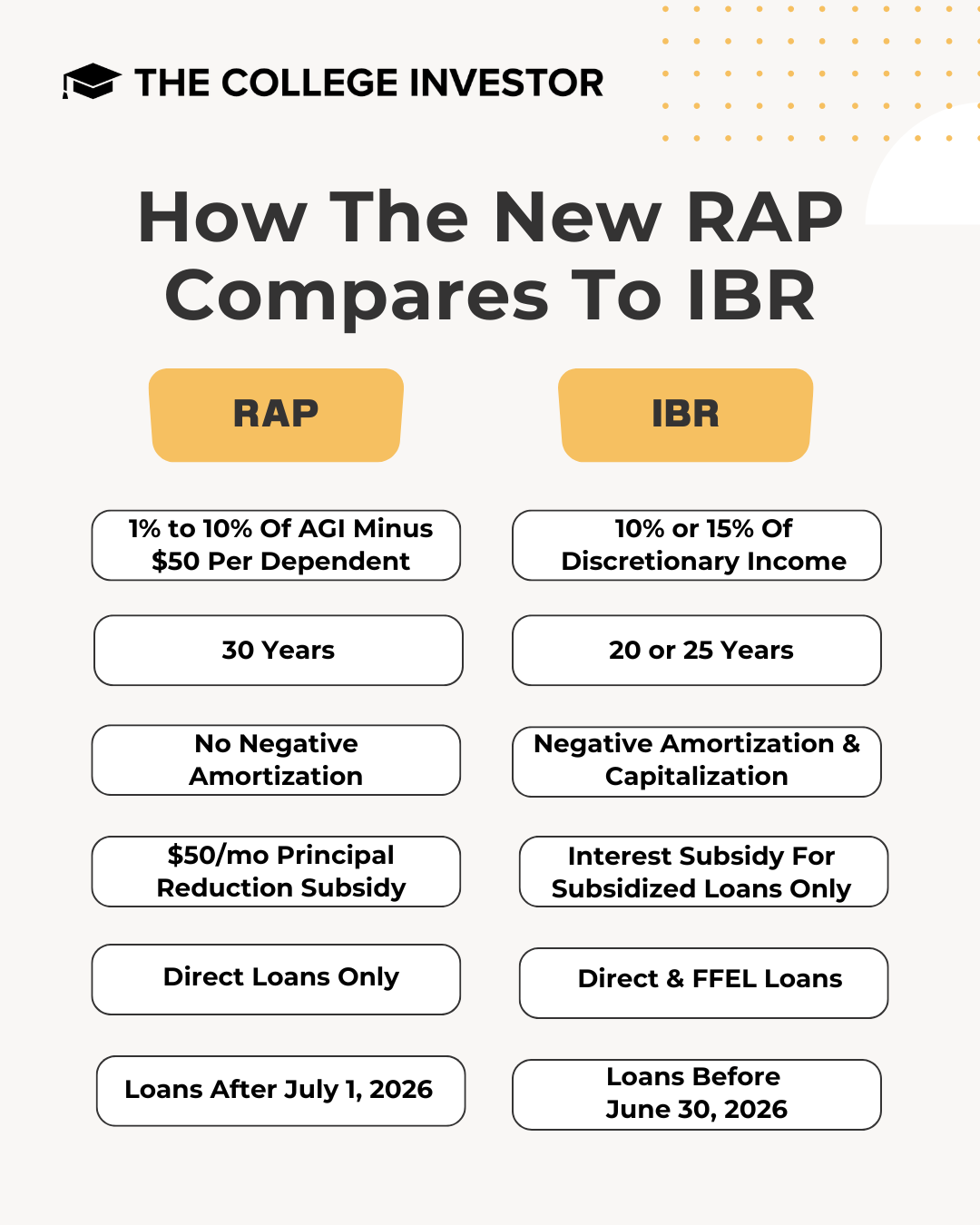
RAP vs. IBR: What Your New Student Loan Bill Actually Costs
The federal government's new Repayment Assistance Plan went live July 1. Here's what the payment formulas actually mean for three different borrowers' monthly budgets.

Discharge Petitions, Explained: The Tool Surging Past Mike Johnson
Seven discharge petitions have hit the 218-signature threshold since 2023, as many as the previous four decades combined. Here's how the maneuver works.

Rescission Packages, Explained: The Route Trump Bypassed
A pocket rescission works by running out a clock. Here's the clock itself, and why the Supreme Court's answer on the shortcut is still incomplete.

Pocket Veto, Explained: Why Trump's Housing Bill Snub Wasn't One
A pocket veto sounds like a president's ultimate weapon, but Congress figured out how to close the loophole decades ago -- and the housing bill saga just proved it.

Poison Pill Amendments, Explained: The Tactic That Kills From Inside
It's one of the oldest tricks in a legislature's toolbox: attach something so toxic to a bill that its own supporters end up voting it down.

The Hastert Rule, Explained: Why It Keeps Forcing Discharge Petitions
An unwritten rule that lets a Speaker block bills his own party doesn't fully back is the reason this Congress has set a modern record for forcing floor votes without him.

The Senate Hold, Explained: One Senator, Total Leverage
One senator's private objection can freeze a Senate nomination indefinitely. Thom Tillis is using that leverage in the open against Todd Blanche, which is the unusual part.

Vote-A-Rama, Explained: The Senate's Amendment Marathon
One Senate procedure lets any senator force a vote on almost anything, as long as they're willing to stay past 3 a.m.