Astronomy
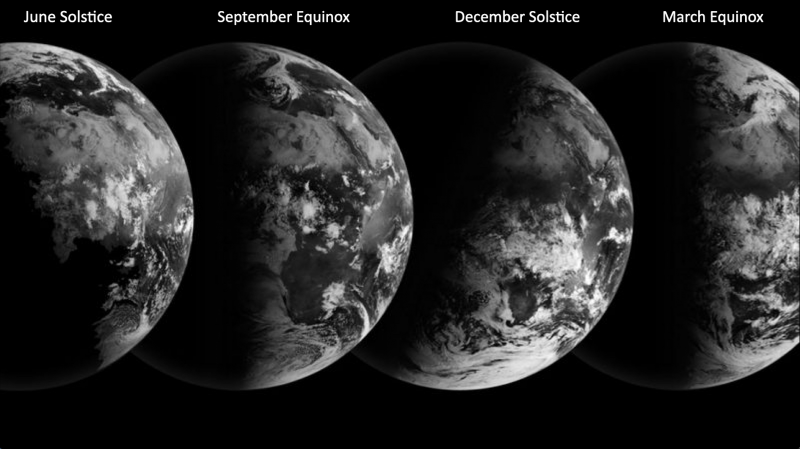
The Equinox Never Actually Splits Day and Night Evenly
Two ordinary facts about sunlight, not measurement error, explain why the equinox never delivers a true 12-hour split anywhere on Earth.

Mars Is Hundreds of Degrees Hotter on One Side, Study Finds
Mars looks lopsided on the surface — mountains in the south, flat plains in the north. New research shows the asymmetry runs all the way to its molten heart.
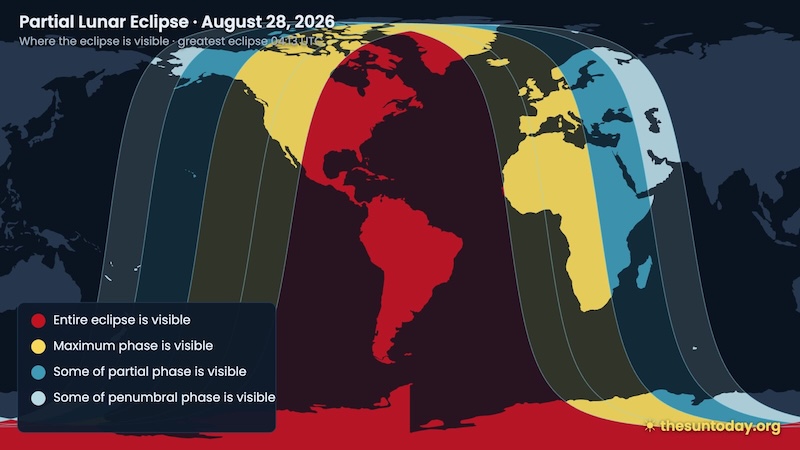
Why Tonight's Near-Total Lunar Eclipse Isn't a Monthly Event
Tonight's deep lunar eclipse won't repeat next month, or even next year. Here's the orbital mechanics behind why eclipses arrive in pairs, twice a year, and no more.
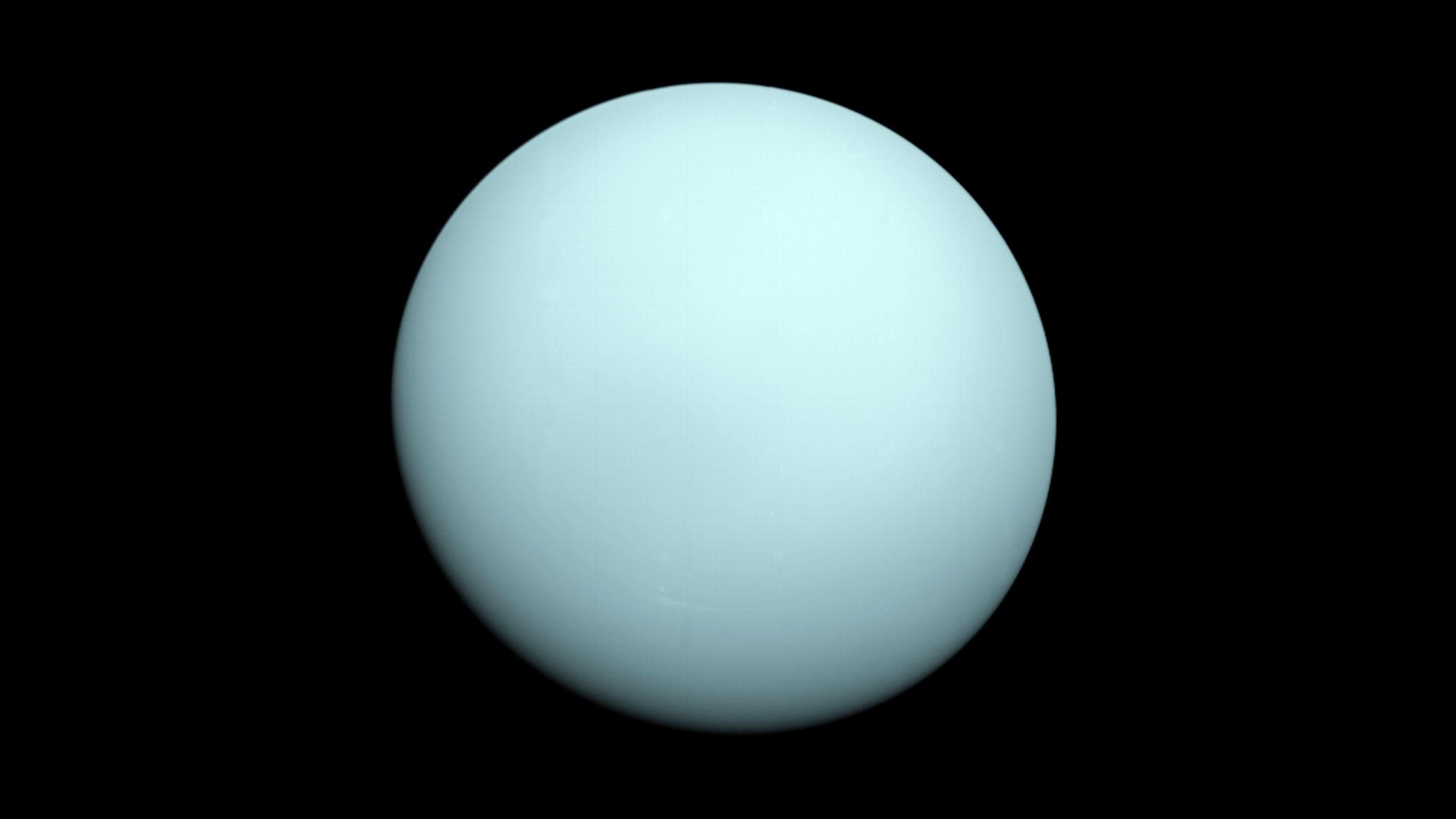
Why Uranus Tilts on Its Side, and a New Theory Why
Uranus is the only planet that spins on its side. The classic explanation is a violent collision, but a newer theory blames a moon that slowly tilted the planet, then destroyed itself.
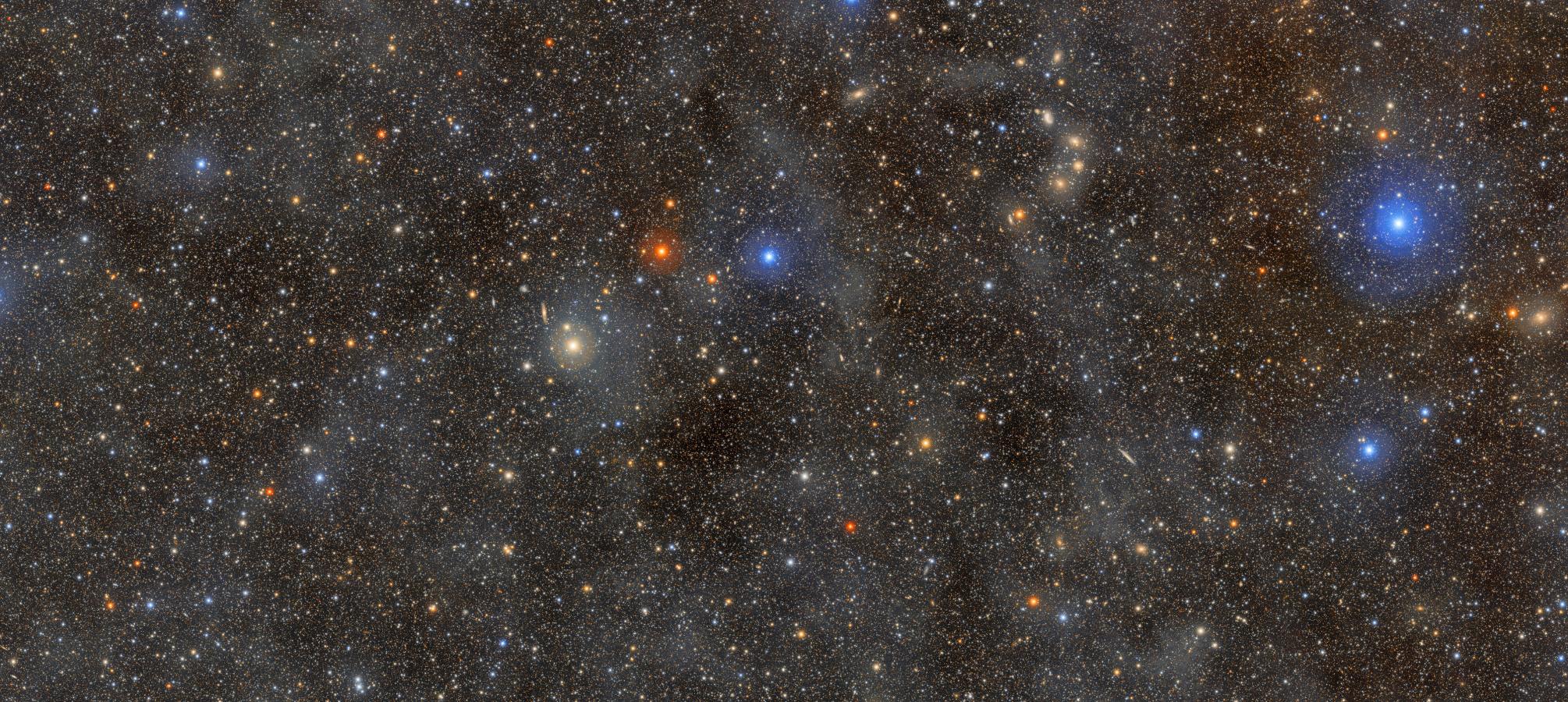
Vera Rubin Observatory Starts Its 10-Year Sky Survey
The world's largest digital camera has begun a decade-long film of the southern sky, imaging it every few nights to catch whatever moves or flares.

NASA's Roman Space Telescope Reaches Florida for an August Launch
The next great observatory came in by barge, sealed in a case the team calls 'the Chariot,' and ahead of schedule.
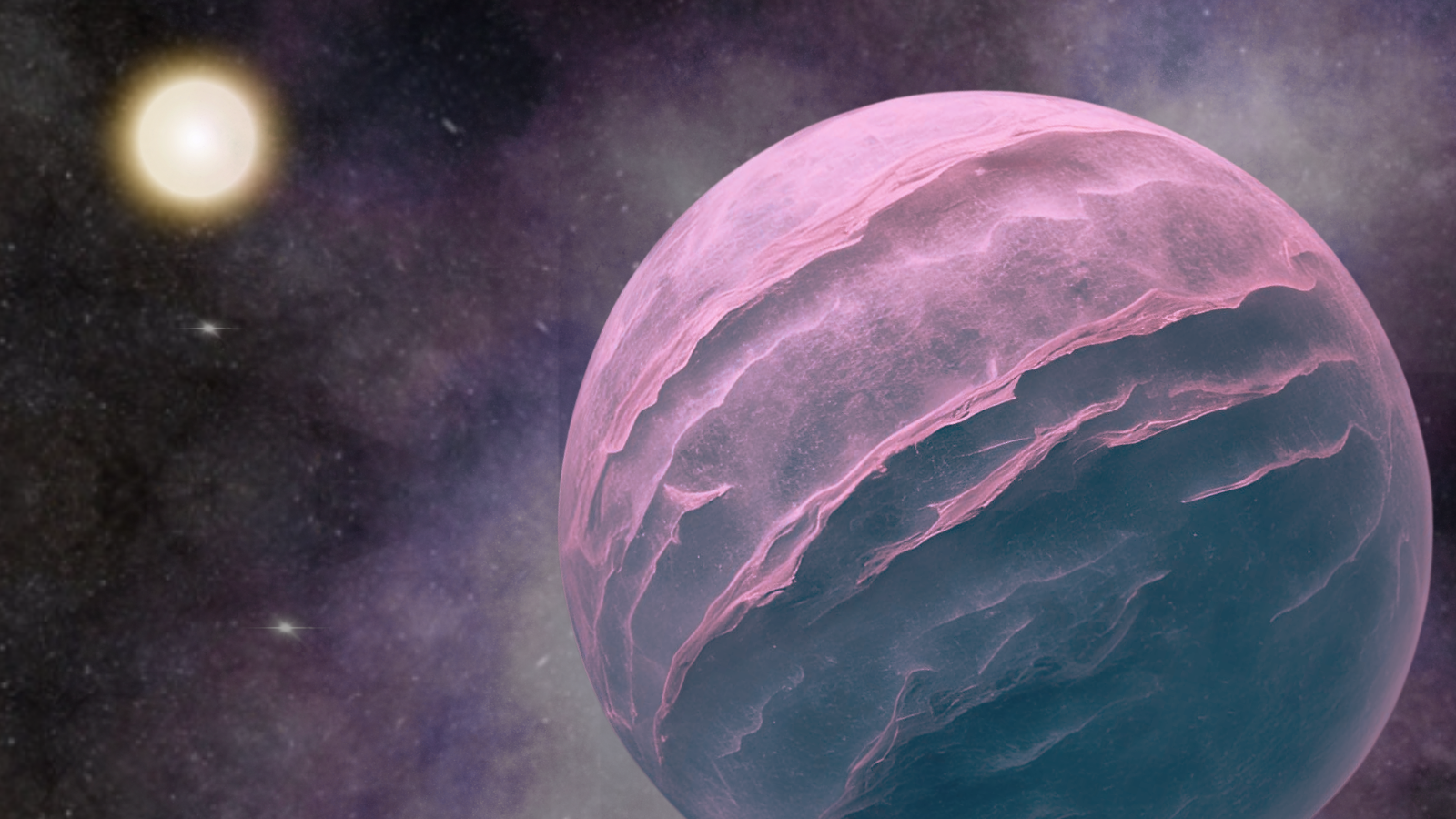
Webb Finds Salt Clouds on the 'Pink Planet' GJ504b
A faint magenta world too dim for ground telescopes turned out to be hiding clouds of salt — and a lesson about how astronomers read alien skies.

Webb Finds the Strongest Case Yet for 'Black Hole Stars'
Webb's deepest spectrum of a 'little red dot,' GLIMPSE-17775, points to a supermassive black hole cloaked in dense gas, a possible answer to two cosmic puzzles.
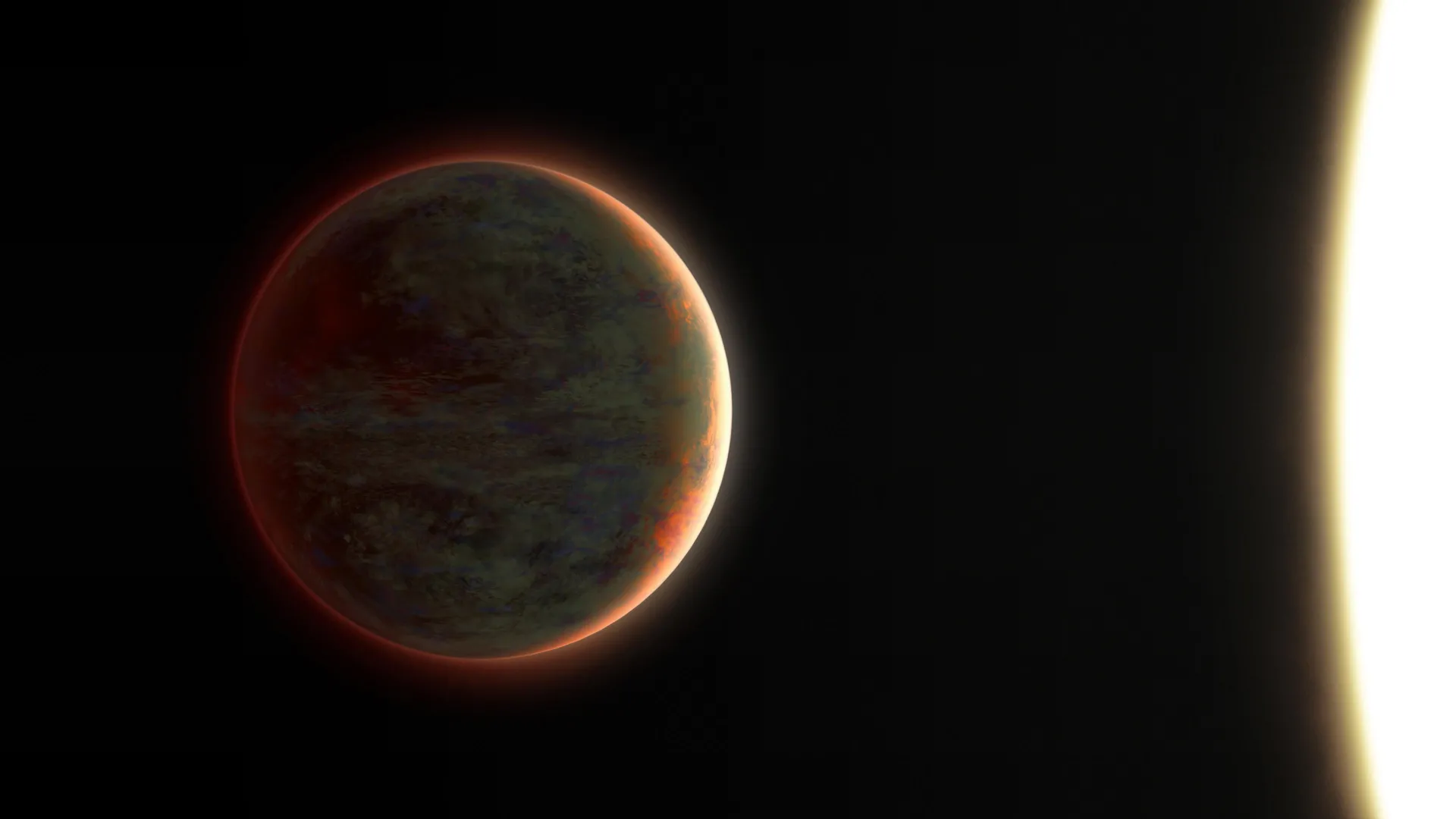
Webb Tells Dawn From Dusk on Scorching Planet WASP-121b
On a tidally locked gas giant, Webb told dawn from dusk, finding the evening edge hotter and the air chemistry different across the planet's two faces.