NASA Picks Eric Schmidt's Relativity Space for a Mars Orbiter
The Aeolus orbiter would map Mars's atmosphere daily, but it rides on a rocket Relativity has not yet flown to orbit.
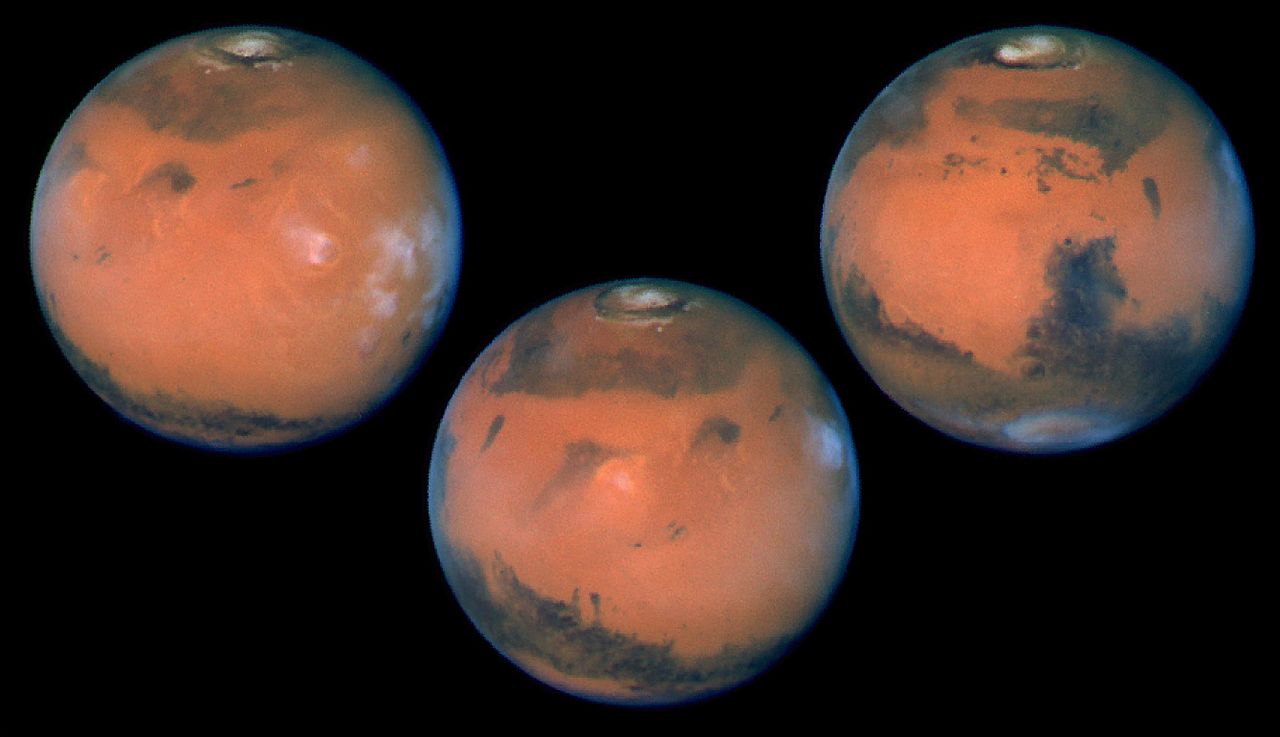
NASA has hired Relativity Space to design, build and fly a spacecraft to Mars, handing a major planetary science mission to a rocket company that has not yet reached orbit and is now run by former Google chief Eric Schmidt.
The agency announced the deal on Tuesday. The mission, called Aeolus, would carry four instruments into Mars orbit to measure and image the planet's atmosphere, producing what NASA says would be the first daily, global picture of its dust, winds and temperature. That sounds incremental until you remember why landing on Mars is so hard. The thin, dust-laden air wrecks descents, and better daily data on it is exactly what future landers, and eventually crews, need to arrive in one piece.
The structure of the deal is the interesting part. NASA is buying a ride and a bus, not building the spacecraft itself, the same model it used to get SpaceX to fly cargo to the space station and Firefly to put a lander on the Moon. The agency supplies the science instruments; the company supplies low-cost infrastructure and absorbs part of the development cost. NASA did not say how much it is paying, and Relativity did not answer questions about the figure.
NASA administrator Jared Isaacman, who has flown to orbit twice on SpaceX missions, has pushed this kind of partnership hard.
"By pairing NASA's world-class instruments with commercial innovation and investment, we can deliver more science, more often, and reduce the time it takes to get essential data into the hands of researchers preparing for future human missions to Mars."
Jared Isaacman, NASA administrator
Here is the catch. Relativity was founded in 2015 around the idea of 3D-printing most of a rocket, and its first vehicle, Terran-1, failed in flight in March 2023. The company pivoted to a much larger rocket, the Terran R, which has not flown. Schmidt took a majority stake last year and made himself chief executive after the firm hit a funding wall. The launch target for Aeolus is 2028, which means Relativity has to finish a new rocket and build a Mars-bound spacecraft on a clock that would test even a proven launch provider. NASA's record with startup partners already includes bankruptcies and a Moon lander that touched down on its side.
The subplot is hard to miss. Schmidt and Elon Musk spar in public over AI safety, and this contract gives Schmidt a shot at planting a flag at Mars before the louder Mars evangelist does. It is the same week SpaceX completed a blockbuster market debut, and not long after fresh questions surfaced about NASA's own moon hardware. All of which makes a tidy narrative. The sober version is plainer: NASA has placed a measured bet, real instruments on unproven hardware, with the financial risk shared. Whether it pays off turns on something far less glamorous than the rivalry, which is whether Relativity can get a rocket to orbit at all.